As consumer demand for automated home maintenance continues to expand, a new category of smart devices is gaining traction: robotic pool cleaners. A recent feature by Wired, titled “The Best Pool Cleaning Robots,” highlights how these machines are evolving from niche luxury items into increasingly practical tools for homeowners seeking convenience, efficiency, and reduced maintenance time.
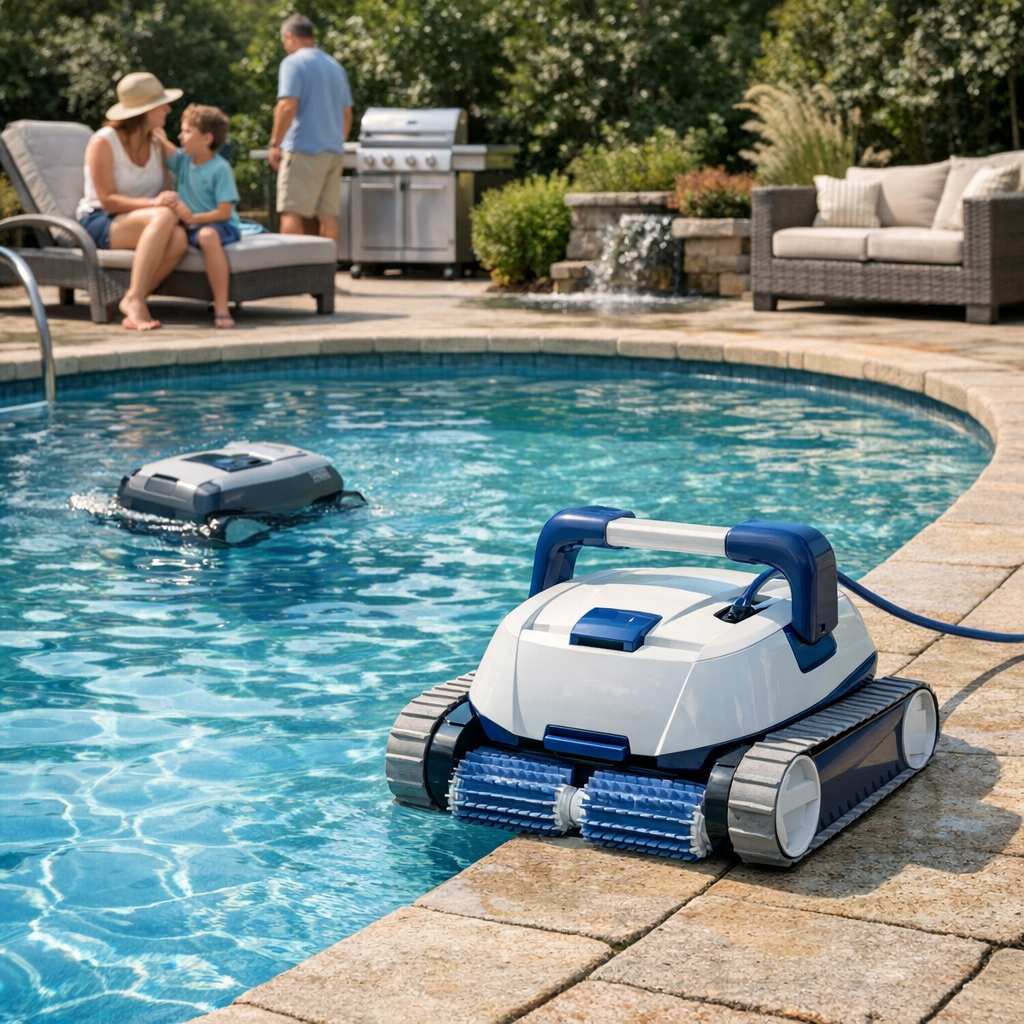
The Wired article surveys a growing market of robotic pool cleaners designed to handle tasks once reserved for manual labor or bulkier, less efficient systems. These robots typically operate independently of a pool’s built-in filtration infrastructure, using onboard motors, sensors, and fine filters to scrub surfaces and capture debris. According to the report, newer models increasingly incorporate intelligent navigation systems that map pool layouts, allowing for more thorough and energy-efficient cleaning cycles.
Industry analysts note that the appeal of these devices lies in their promise to reduce both time and long-term maintenance costs. Traditional pool-cleaning methods often rely on pressure-side or suction-side systems that can strain existing equipment and require frequent human oversight. By contrast, robotic cleaners can be deployed on demand, often with programmable schedules, and removed after use without altering a pool’s core mechanics.
The Wired evaluation emphasizes performance differences across models, with particular attention paid to battery life, wall-climbing ability, and filtration quality. Some high-end units are capable of scaling vertical surfaces and cleaning waterlines, a feature that has historically been difficult to achieve reliably. Others focus on energy efficiency and ease of maintenance, offering top-loading filter cartridges and app-based controls that allow users to monitor cleaning progress remotely.
Price remains a significant barrier to widespread adoption. Many of the devices highlighted in “The Best Pool Cleaning Robots” fall within a premium range, reflecting both the complexity of the technology and the relatively specialized market. However, the publication notes a gradual trend toward more affordable options that still deliver competent performance, signaling potential growth as competition increases and manufacturing scales.
Environmental considerations are also shaping the category. By operating independently and often consuming less power than traditional systems, some robotic cleaners may contribute to reduced energy usage. Additionally, finer filtration systems can improve water quality, potentially decreasing the need for chemical treatments.
Despite these advantages, the Wired review underscores that no single model addresses all use cases. Pool size, surface material, and debris type can all influence performance, making product selection a highly individualized decision. The article advises consumers to weigh factors such as durability, warranty coverage, and ease of repair alongside raw cleaning capability.
The growing attention to robotic pool cleaners reflects a broader shift toward automation in domestic life, where convenience and efficiency increasingly drive purchasing decisions. As technology advances and prices stabilize, experts expect the category to expand beyond early adopters to a wider segment of homeowners seeking to streamline routine maintenance.
In positioning these devices as both labor-saving tools and technological investments, Wired’s “The Best Pool Cleaning Robots” captures a market at an inflection point, where innovation is beginning to reshape even the most traditional aspects of home care.