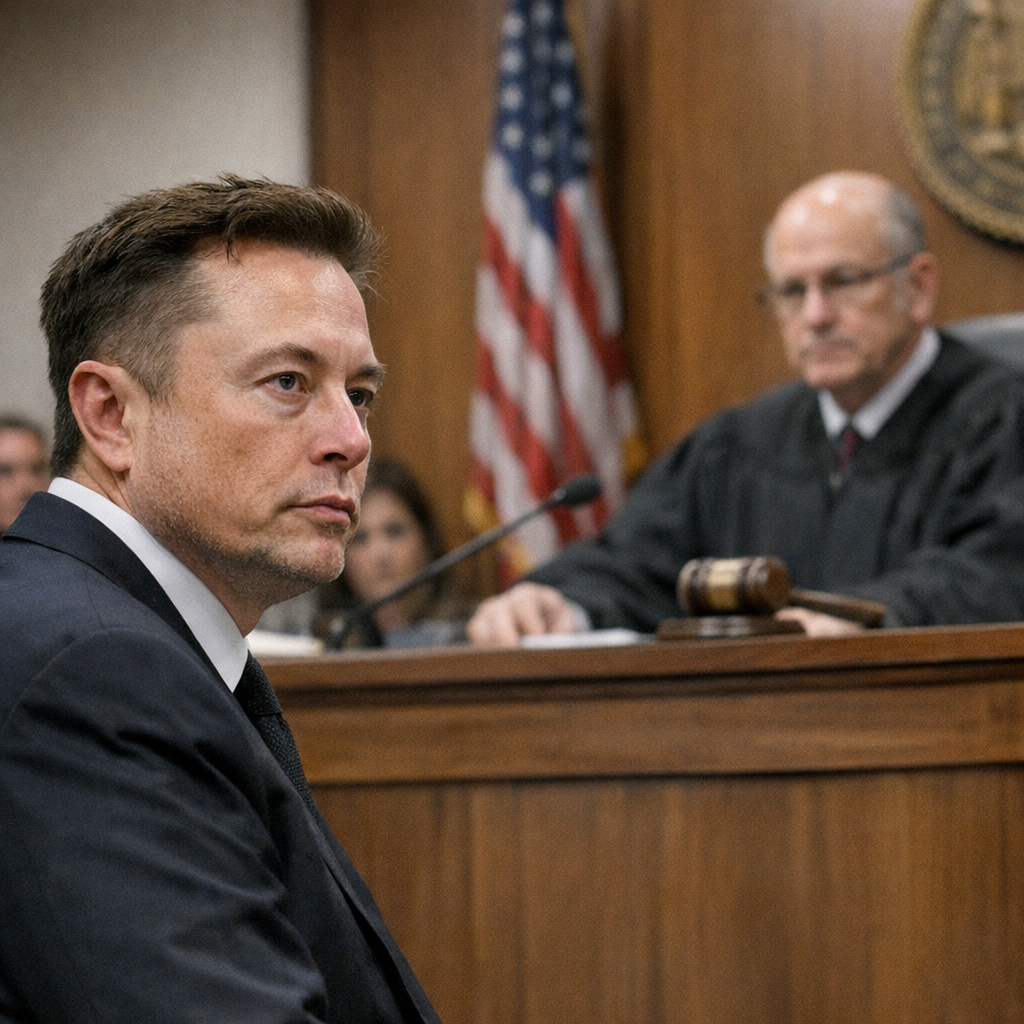
A U.S. judge has rejected Elon Musk’s attempt to overturn a fraud-related verdict tied to his conduct during his tenure at Twitter, according to a report by The Economic Times titled “Elon Musk’s bid to set aside Twitter fraud verdict rejected by US judge.” The decision marks a significant legal setback for the billionaire entrepreneur, reinforcing judicial scrutiny over his actions during a turbulent period for the social media platform.
The ruling stems from a case in which Musk sought to invalidate a prior finding that held him liable for misleading or materially inaccurate statements associated with Twitter. While the specifics of the jury’s earlier determination center on claims of investor harm, the court’s latest decision underscores that Musk did not meet the high threshold required to overturn such a verdict. Motions to set aside jury findings typically require clear evidence of legal error, procedural flaws, or insufficient evidence—standards outlined in U.S. civil procedure rules such as Rule 50 of the Federal Rules of Civil Procedure, which the court determined were not satisfied in this instance.
The case reflects broader tensions surrounding Musk’s management of Twitter, which he acquired in 2022 and later rebranded as X. His tenure has been marked by rapid operational changes, public controversies, and a series of legal challenges. Investors and regulators have closely monitored his statements and decisions, particularly those disseminated via his own social media posts, which have historically played a central role in legal disputes involving the executive.
Legal analysts note that the rejection of Musk’s motion reinforces the judiciary’s reluctance to second-guess jury determinations absent compelling justification. It also signals that high-profile corporate leaders remain subject to the same evidentiary standards as other defendants, even when cases draw intense public attention.
The outcome may have financial and reputational implications. Although the precise damages or penalties linked to the fraud verdict depend on subsequent proceedings or settlements, the ruling leaves intact a legal finding that could influence related claims or regulatory actions. For Musk, who continues to lead multiple companies including Tesla and SpaceX, the decision adds another layer of complexity to an already demanding portfolio of responsibilities.
The Economic Times report highlights that Musk’s legal team had argued for dismissal based on what they characterized as flaws in the underlying case. However, the court’s refusal to grant relief reflects a broader pattern in recent rulings involving Musk, where courts have demonstrated a willingness to allow jury findings to stand unless clear judicial error is established.
As the case proceeds, attention is likely to turn to whether Musk pursues further appeals or seeks alternative legal remedies. More broadly, the decision underscores the enduring legal risks associated with high-impact corporate communications in an era where executive statements can rapidly influence markets and investor sentiment.