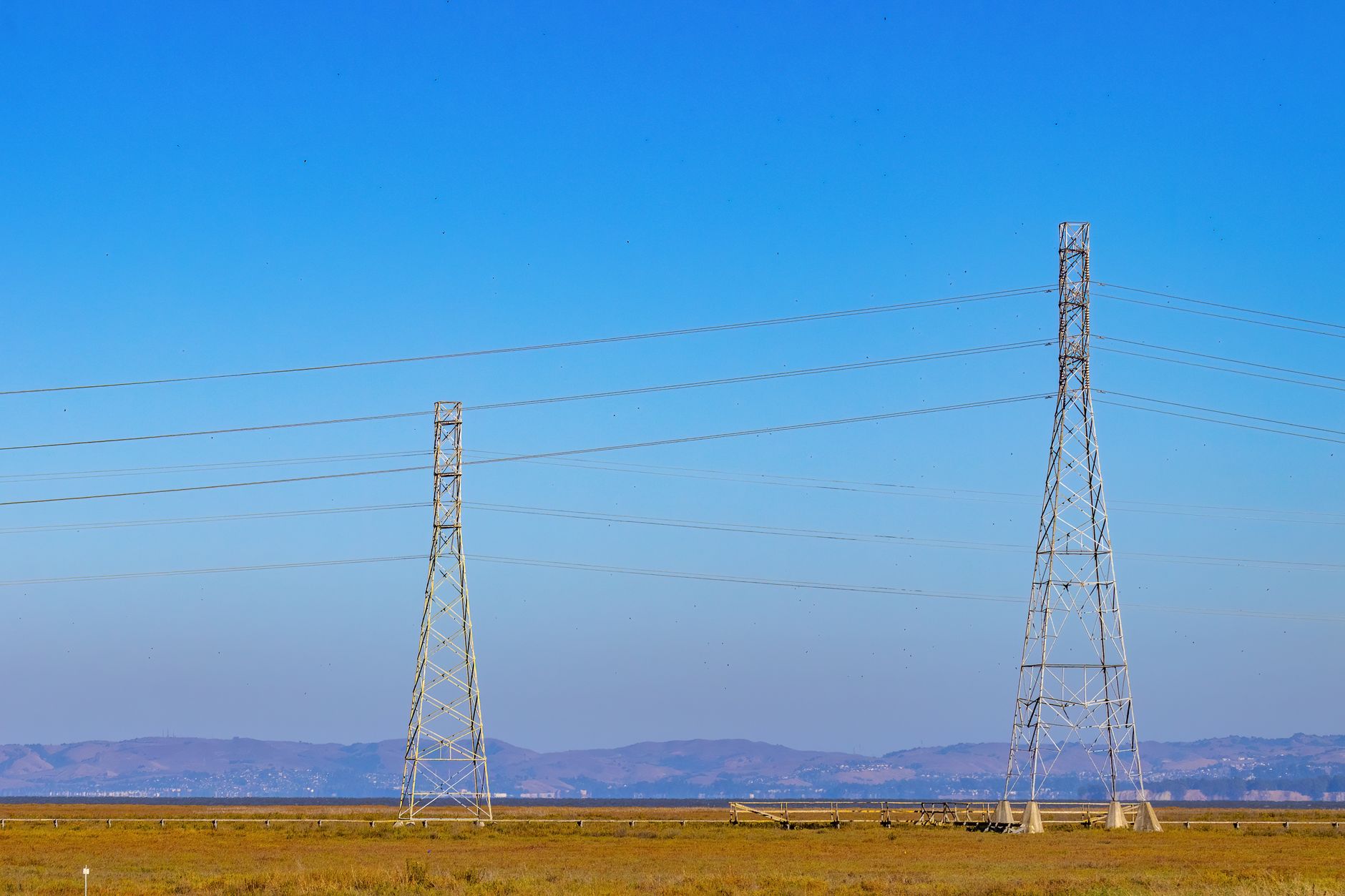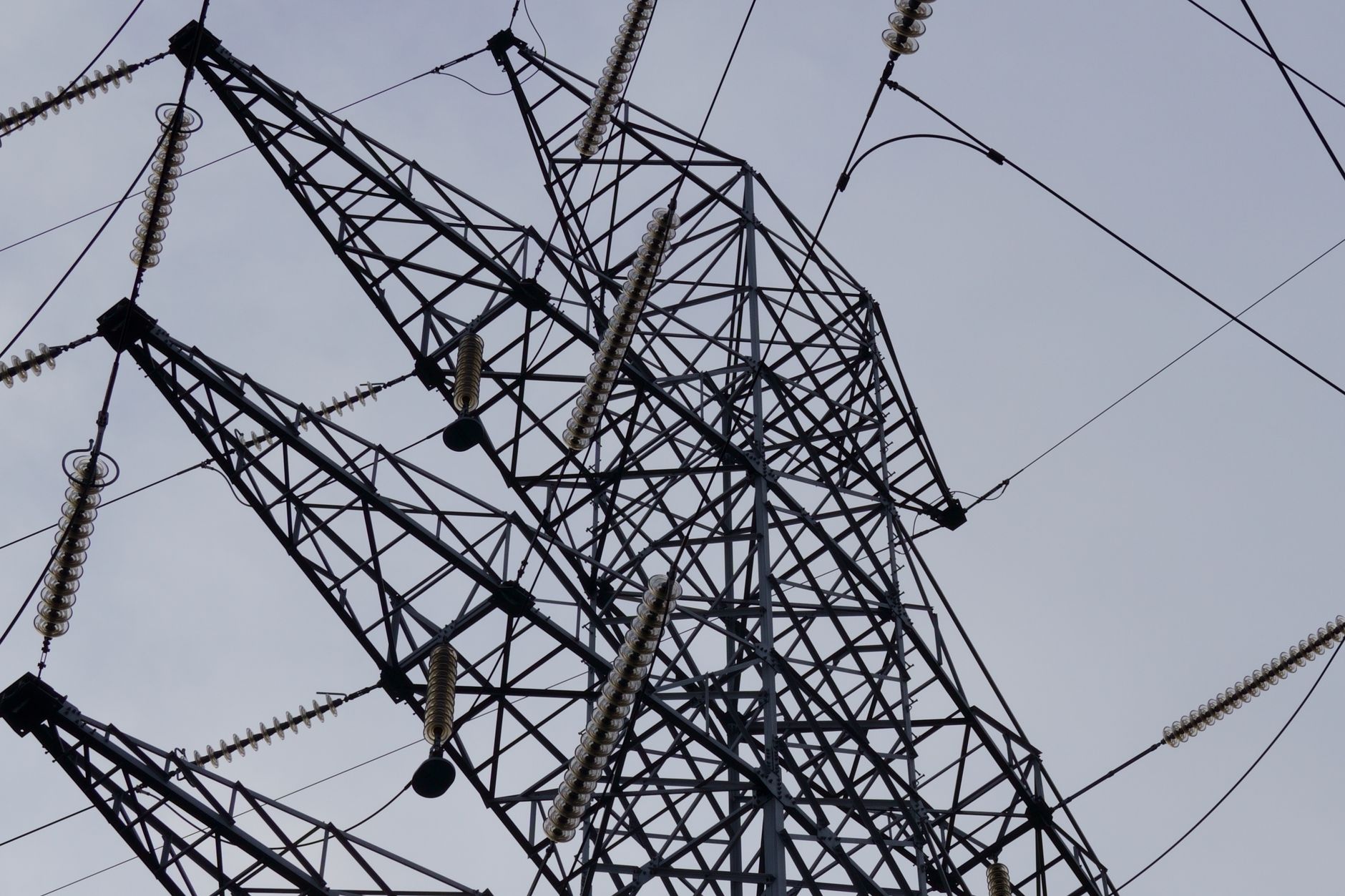
Electricity theft is one of the most stubborn, expensive problems in global energy infrastructure — and it barely gets talked about. Utilities worldwide lose an estimated $96 billion annually to stolen power, with developing nations absorbing the heaviest losses. Delhi, one of the world’s most densely populated cities, was no exception. But as IEEE Spectrum reports, the Indian capital has spent the last several years rolling out a surprisingly effective countermeasure: a layered system of smart meters, AI-driven anomaly detection, and on-the-ground enforcement that has meaningfully reversed the theft curve. It’s a blueprint other cities would be smart to study. The problem also intersects with the broader energy grid challenges governments are only beginning to take seriously — questions Future Wire has tracked in our coverage of AI energy policy.
The scale of what Delhi was dealing with is almost hard to overstate. In some distribution zones, so-called aggregate technical and commercial losses — a utility euphemism that lumps together line losses and theft — were running above 50 percent. That means for every two units of electricity generated and pushed into the grid, one was never paid for. Tata Power Delhi Distribution Limited and BSES, the two main distributors serving the city, were effectively operating with a massive invisible drain on their balance sheets.

Smart Meters as the Front Line
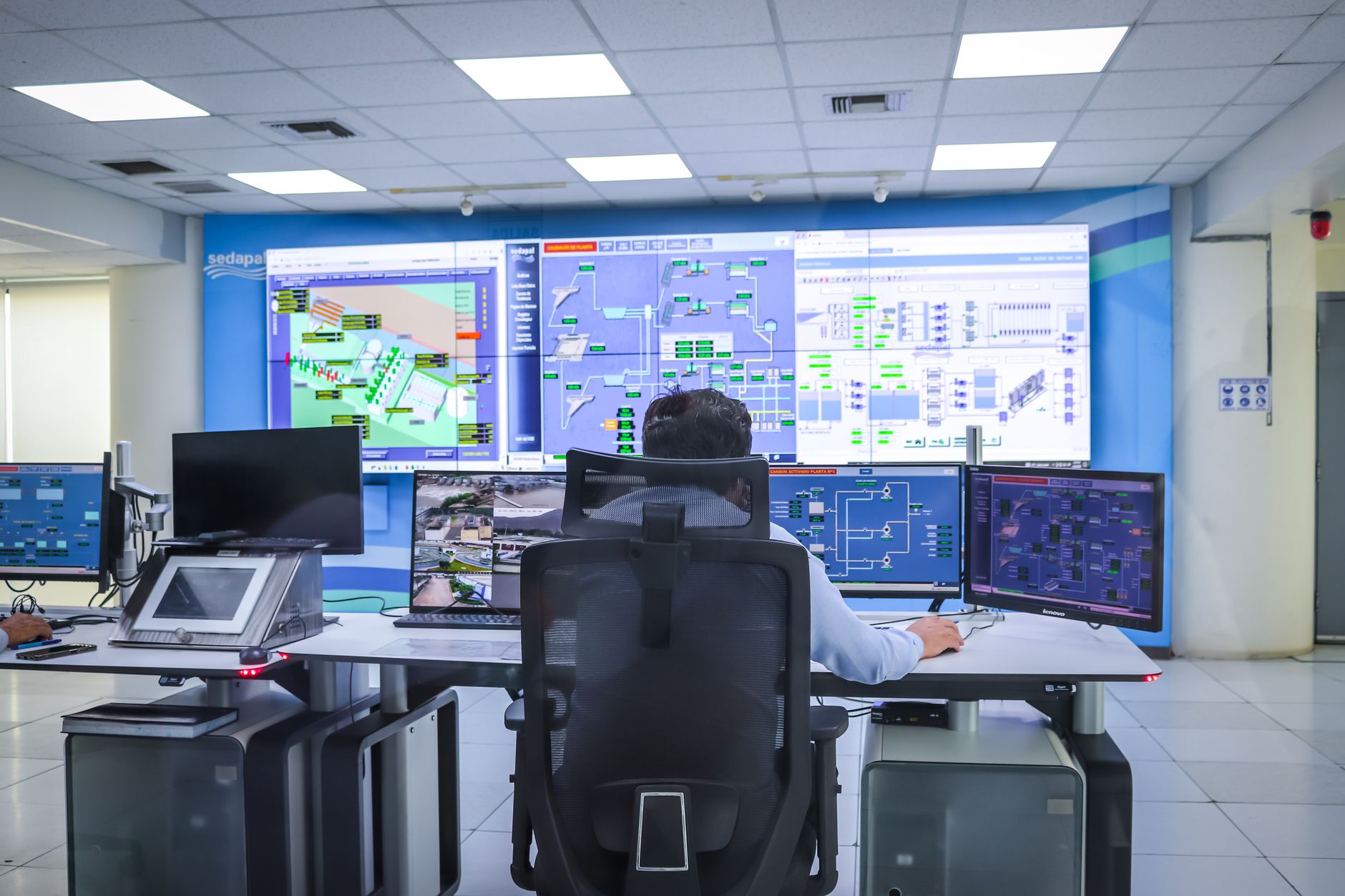
The core of Delhi’s fix is the Advanced Metering Infrastructure rollout. These aren’t just digital replacements for analog dials — they’re communication nodes that transmit consumption data at 15-minute intervals back to utility control centers. That granularity is what makes the difference. When a household’s real-time draw suddenly diverges from its historical baseline, or when consumption at the meter drops sharply while upstream transformer loads hold steady, the system flags it automatically. What used to require a physical inspection request and a weeks-long wait now triggers an alert within hours.
The AI layer sitting on top of that data stream is trained to distinguish normal variance — a heat wave driving AC use, a family hosting guests — from the telltale signatures of meter tampering, direct line tapping, or bypassed connections. Utilities can then dispatch field teams to the highest-probability addresses first, dramatically improving the hit rate on enforcement visits. Before smart metering, inspectors often worked from tip-offs or random checks; now they’re working from ranked probability lists. The efficiency gain is substantial, and the deterrent effect compounds over time as residents understand that theft is no longer easy to hide.
Enforcement, Incentives, and What Comes Next
Technology alone didn’t solve this. Delhi’s distributors paired the metering rollout with revised penalty structures and, critically, amnesty programs that gave longtime illegal users a path to legitimization without crushing fines. That combination — credible detection plus a viable off-ramp — proved more effective than enforcement-only approaches that tend to drive theft further underground. Tata Power Delhi Distribution reported that its aggregate technical and commercial losses dropped from around 53 percent when it took over the North Delhi distribution franchise to the low double digits, a reduction worth hundreds of crores of rupees in recovered revenue annually.
The harder question now is replicability. Delhi benefits from relatively concentrated urban density, which makes meter-to-control-center communication more tractable than in sprawling rural grids. It also had regulatory support from the Delhi Electricity Regulatory Commission to mandate smart meter adoption. Cities in Sub-Saharan Africa, Southeast Asia, and Latin America — where theft rates can be even higher — often lack both the infrastructure density and the regulatory frameworks to push a similar rollout. Still, the Delhi case dismantles the fatalist argument that theft is simply the cost of doing business in high-density emerging markets. With the right combination of hardware, machine learning, and policy design, the math can shift. The grid doesn’t have to keep losing.