The smart ring was supposed to be the device that finally made AI wearables serious. Instead, Oura’s abrupt decision to pull its IPO has handed the entire category an uncomfortable question: is the market not ready, or is it the industry itself that isn’t? According to CNBC’s reporting, the withdrawal was described by insiders as “weird” — a signal that something deeper than timing is broken. For a sector trying to graduate from fitness novelty to genuine health platform, that word lands hard. If you’ve been tracking how AI trust problems ripple across consumer markets, this story has a familiar shape.

Oura had built real momentum. The company’s ring tracks sleep stages, heart rate variability, body temperature, and readiness scores, and it had reportedly surpassed two million users. Its hardware was credible. Its celebrity endorsements were real. The IPO looked like a formality — a victory lap for a category that had spent years proving skeptics wrong. Then the filing stalled, the roadshow went quiet, and the company went dark on public timelines. What emerged in the aftermath was a more complicated picture of why investors got cold feet.
Privacy Became the Category’s Achilles Heel
The problem isn’t just Oura. The CNBC report frames the IPO pull inside a broader reckoning with what AI wearables actually collect and what happens to that data. These devices gather some of the most intimate information imaginable — resting heart rate, sleep disruption patterns, menstrual cycle data, stress indicators — and they do it continuously, passively, and often without users fully understanding the downstream implications. That’s a harder sell in 2026 than it was in 2022, when the regulatory environment around health data was less charged and consumers were less attuned to how biometric information moves through data pipelines.
Regulatory scrutiny has intensified across the health tech space, and Oura’s category sits in an uncomfortable gray zone — not quite a medical device, not quite a wellness app, but collecting data that could reasonably inform clinical decisions. That ambiguity has become a liability rather than a freedom. Investors who might have looked past privacy architecture questions two years ago are now treating them as table-stakes diligence items. When the answers aren’t airtight, deals stall. IPOs get pulled. The category takes the reputational hit collectively, not just the company in the crosshairs.
A Stalled Sector Looking for Its Next Catalyst
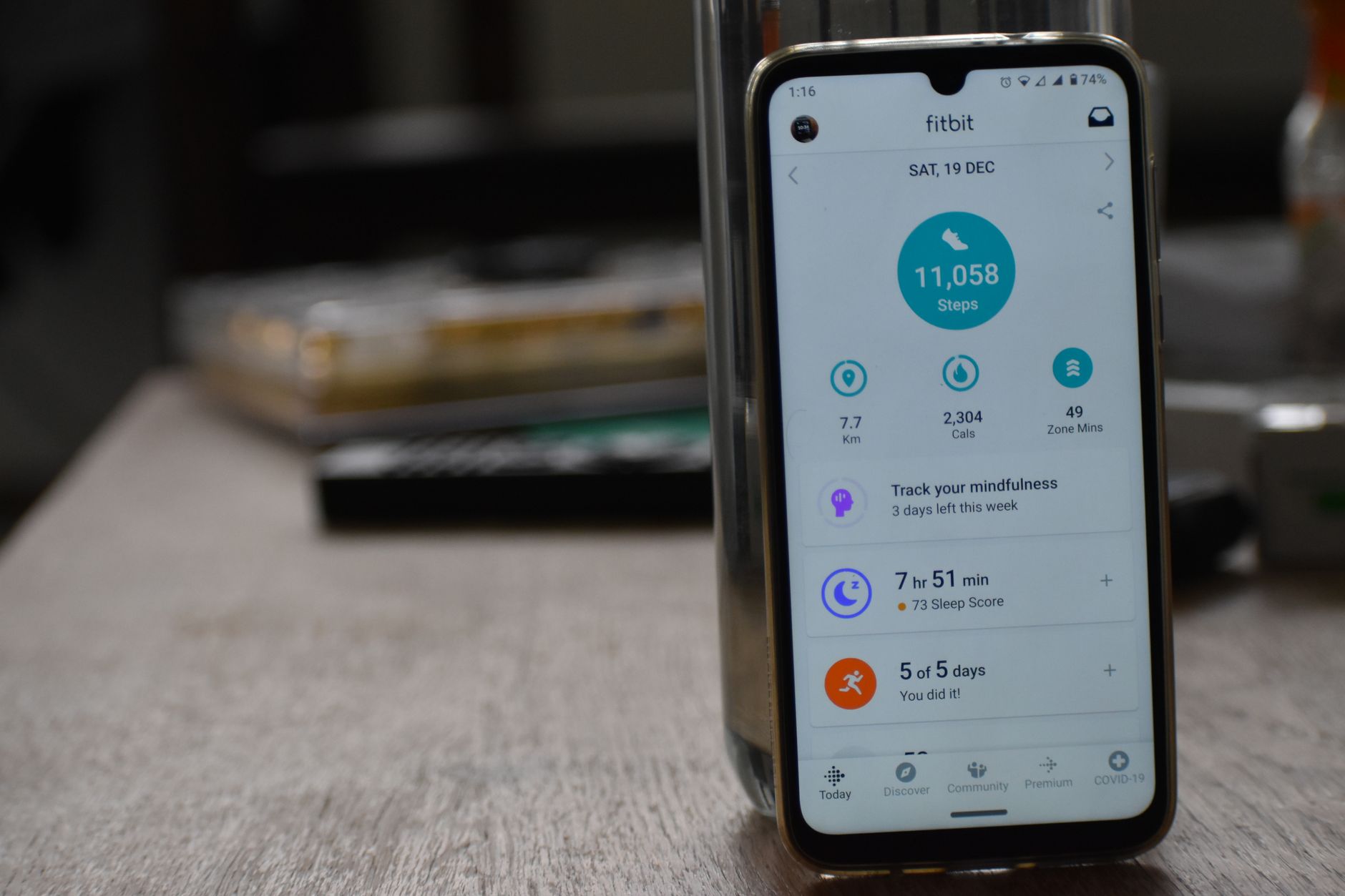
The timing is brutal for the broader AI wearables market. Competitors including Samsung, with its Galaxy Ring, and various startups targeting continuous glucose monitoring and stress detection had been counting on an Oura IPO to validate the category for institutional investors. A successful public offering would have functioned as a proof point — evidence that Wall Street was willing to price biometric AI at scale. Instead, the sector heads into the next funding cycle without that anchor. Startups will face harder conversations in board rooms, and acqui-hire risk climbs for smaller players who can’t sustain burn without a clearer path to exit.
None of this means the technology has failed. Sleep tracking accuracy, cardiac irregularity detection, and readiness modeling have all improved meaningfully over the past three hardware generations. The underlying value proposition — continuous, passive health monitoring that surfaces trends a doctor’s annual checkup would miss — is still genuinely compelling. But compelling technology and a clean path to public markets are different things. What AI wearables need now isn’t another product launch. It’s a credible answer to who owns the data, where it goes, and what guarantees exist if a company is acquired, breached, or simply pivots its business model. Until that answer exists, the breakout moment stays on hold.