A recent report by Tech Xplore, titled “New app brings robot control closer to everyday users,” highlights a growing push to make robotic systems more accessible beyond specialized laboratories and industrial environments. The article examines a newly developed mobile application designed to simplify how people interact with and control robots, potentially lowering the barrier to entry for both consumers and small organizations.
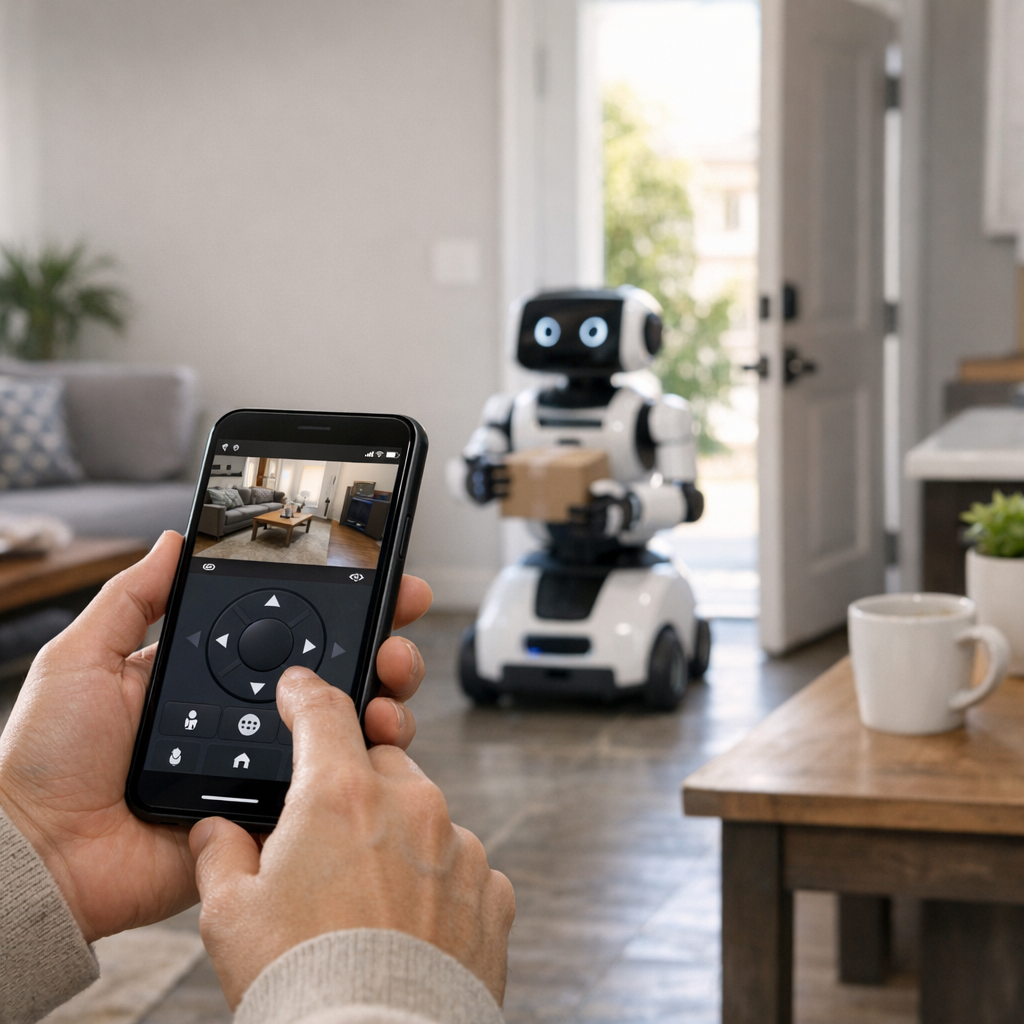
According to the report, the app allows users to manage robotic functions through an intuitive interface that reduces the need for advanced programming knowledge. Instead of requiring specialized coding skills, the system translates common user inputs into commands that robots can execute. Researchers behind the project argue that this approach could democratize robotics by making it easier for educators, small businesses, and hobbyists to deploy robotic solutions in practical settings, similar to trends seen in platforms like Robot Operating System (ROS).
The development reflects a broader shift in robotics toward user-centered design, a concept widely explored in human–robot interaction research. Traditionally, operating robotic systems has required technical expertise and costly infrastructure, limiting adoption to large companies and research institutions. By contrast, the new app focuses on accessibility, aiming to bring robotics into environments such as classrooms, workshops, and even homes.
The Tech Xplore article notes that the application integrates with a range of existing robotic platforms, rather than being tied to a single device. This interoperability—often emphasized in standards discussions by organizations like the International Organization for Standardization (ISO) robotics committee—is seen as a key advantage, as it allows users to experiment with different hardware without needing to learn entirely new control systems. Researchers also emphasized that the app includes safety features intended to prevent unintended movements or errors, aligning with established robot safety guidelines, and addressing concerns about the risks of easier robot access.
While the technology remains in a developmental stage, early testing suggests that simplifying robot control could accelerate innovation in fields such as education, healthcare support, and small-scale manufacturing. Teachers, for instance, could use robots as interactive learning tools without needing extensive technical training. Similarly, small enterprises might experiment with automation without the upfront cost of hiring specialized engineers, reflecting broader trends in automation adoption.
At the same time, the article points out that challenges remain. Simplifying interfaces can sometimes limit advanced functionality, raising questions about whether such tools can meet the needs of more complex operations. There are also considerations around cybersecurity and system reliability, particularly as robots become connected through mobile applications and cloud-based services, an issue frequently discussed in industrial control systems cybersecurity.
The Tech Xplore report ultimately frames the new app as part of an ongoing effort to bridge the gap between sophisticated robotic capabilities and everyday usability. As developers continue refining these tools, the success of such initiatives will likely depend on striking a balance between simplicity, flexibility, and safety.