

Building the next generation of AI infrastructure requires one thing above all else: electricity. And right now, there simply isn’t enough of it to go around. According to Calcalist Tech, Israel’s Electricity Authority has effectively frozen the approval process for new AI data center construction, citing a grid that cannot absorb the scale of power demand these facilities would place on it. It is a blunt regulatory stop sign planted in front of one of the country’s fastest-growing tech sectors — and a signal of just how acute the global infrastructure bottleneck around AI compute has become. For context on how AI’s energy appetite is reshaping investment decisions elsewhere, see our earlier coverage of AI infrastructure funding.
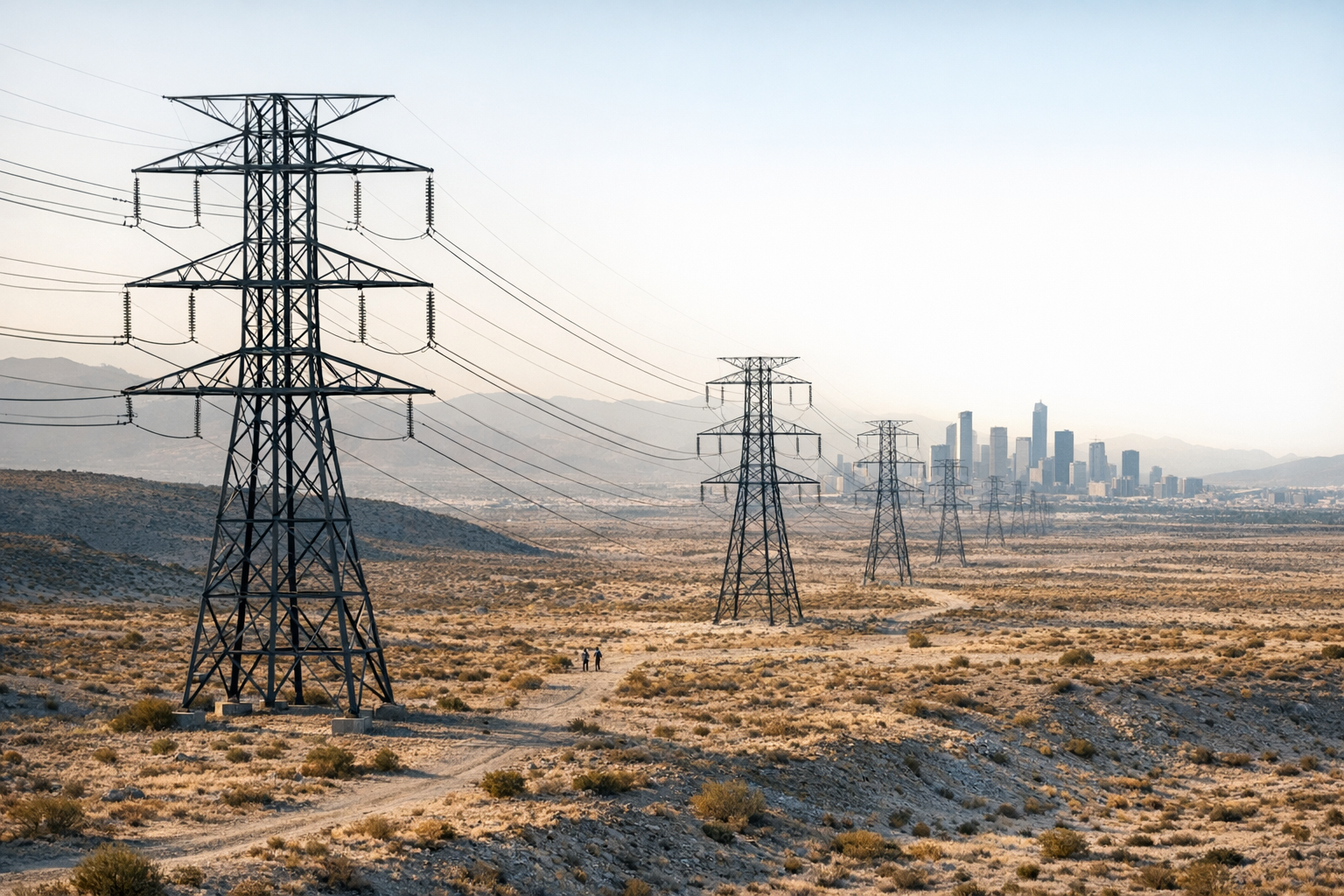
The freeze is not a permanent ban, but it functions like one in the near term. Authorities are halting new grid connection permits for large-scale data centers while regulators assess whether the national transmission network can handle the projected load. The concern is straightforward: a cluster of high-density GPU facilities drawing hundreds of megawatts each could destabilize supply for residential and commercial users if added without a coordinated infrastructure upgrade plan.
The Numbers Behind the Crunch
The scale of the problem is not trivial. Modern AI training clusters — the kind required to run large language models or multimodal systems at commercial scale — can consume anywhere from 50 megawatts to well over 200 megawatts per campus. That is the equivalent of powering tens of thousands of homes from a single facility. Israel’s national grid, while modernized in recent years, was not designed with this category of demand in mind, and the pipeline of proposed projects has reportedly grown faster than regulators anticipated.
The Electricity Authority’s intervention reflects a broader tension playing out in energy systems worldwide: the AI boom is arriving faster than grid operators can build the transmission capacity, substations, and generation assets needed to serve it reliably. Data center operators in the United States and Europe have encountered similar friction, with some projects delayed by years waiting for grid interconnection approvals. What makes the Israeli situation notable is the directness of the regulatory response — a formal pause rather than a case-by-case slowdown.
What Comes Next for Operators and Investors
For the startups and hyperscalers that had been eyeing the country as a node for regional AI compute capacity, the freeze introduces real uncertainty. Projects already in the permitting pipeline face an unclear timeline, and new applicants have little visibility into when the approval window might reopen. The Electricity Authority has signaled it is working on a longer-term framework for managing data center load growth, but no specific timeline for lifting the moratorium has been published.
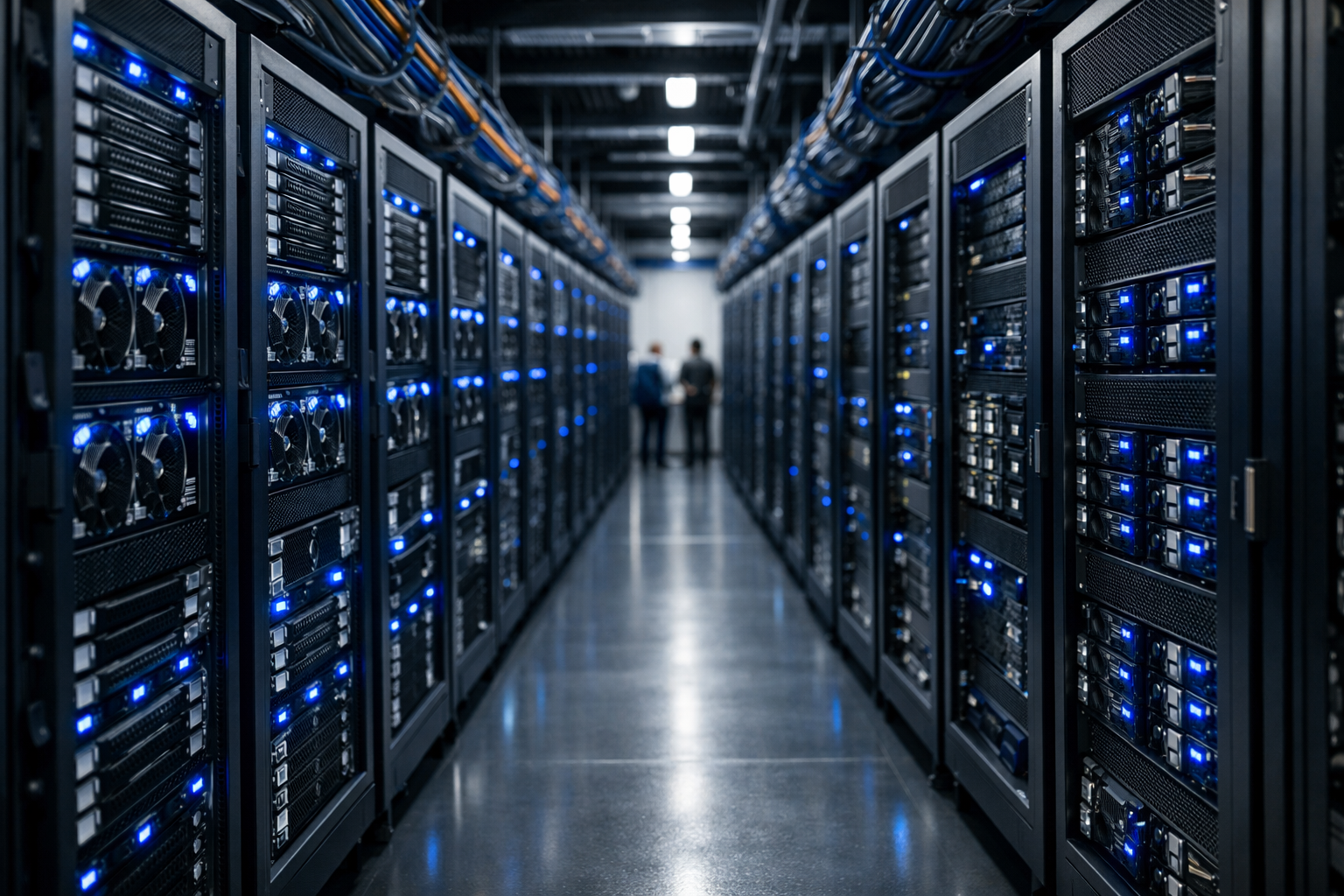
The episode underscores a lesson the industry keeps relearning: compute capacity and power capacity are not the same thing, and the gap between them is becoming a strategic liability. Investors pouring capital into AI infrastructure need to price grid access risk the same way they price hardware and real estate costs. The companies best positioned in this environment will be those that have already locked in power agreements or are co-locating with dedicated generation assets — not those waiting for a permit queue to clear. Given the pace at which defense dual-use AI applications are scaling globally, the pressure on national grids is only going to intensify before any structural relief arrives.

3 thoughts on “A Power Shortage Is Freezing AI Data Center Permits Across the Country”