American Airlines is bleeding money relative to its biggest competitors — and not by a small margin. The carrier is sitting on a profit gap of more than $3 billion compared to Delta and United, a deficit that has calcified over years of strategic missteps, a failed direct-sales experiment, and a corporate travel base it largely alienated. Now, CEO Robert Isom is putting a public number on the problem and, more importantly, laying out how he plans to erase it. In an era where labor pressures are reshaping every major U.S. industry, airlines have even less margin for strategic error.
According to CNBC reporting, Isom’s turnaround vision centers on rebuilding the revenue engine that American dismantled when it pulled back from traditional travel agency relationships and leaned into a direct-booking strategy that backfired badly. Corporate accounts dried up. Premium cabin load factors lagged. The gap widened.

Where the $3 Billion Gap Actually Comes From
The shortfall is not one problem — it is several stacked on top of each other. American trails Delta and United on unit revenue, premium seat penetration, and loyalty program monetization. Delta’s SkyMiles ecosystem, for instance, generates billions annually through its co-brand credit card partnership with American Express, a financial machine American’s AAdvantage program has struggled to match at the same scale. United has aggressively expanded Polaris business class capacity and locked in lucrative corporate contracts that American lost ground on.
Isom has acknowledged that the airline’s previous strategy of cutting out intermediaries — travel management companies and global distribution systems — cost American dearly in the managed corporate travel segment. Large companies book through those channels. When American made itself harder to access through them, it effectively handed market share to rivals. Reversing that damage means rebuilding relationships that took years to fracture, and it will not happen overnight.
Isom’s Playbook: Revenue Recovery, Premium Push, and Loyalty Rebuild
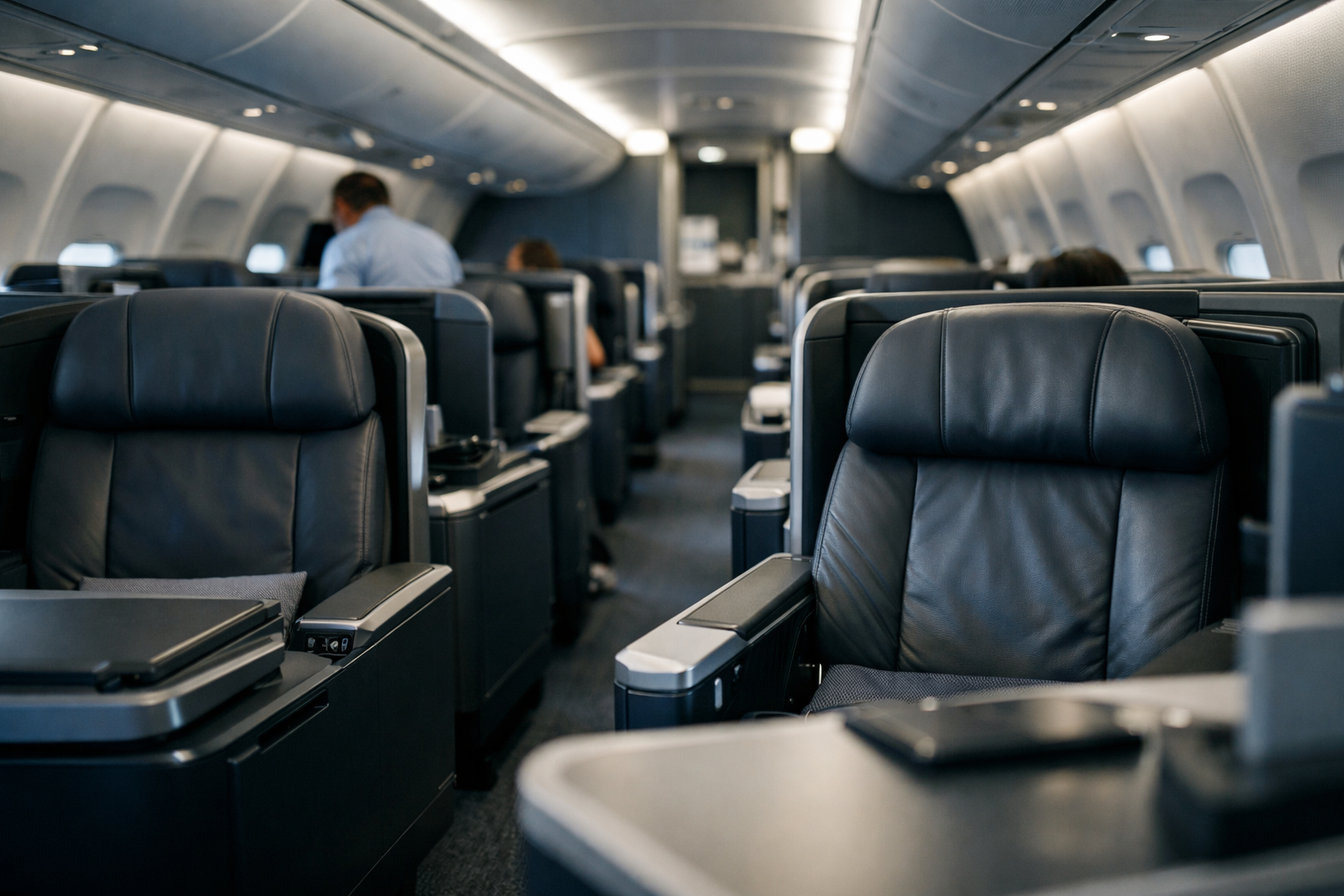
The recovery strategy has three visible pillars. First, American is restoring full content availability through traditional distribution channels, effectively reversing the direct-only push. Second, Isom is doubling down on premium cabin expansion — more Flagship Suite seats, better lounges, and a more competitive international product — to chase the high-margin passengers Delta and United have been capturing. Premium travel demand has proven resilient even when economy fares soften, making it a logical target.
Third, and perhaps most critically, American is working to make AAdvantage stickier and more financially potent. The co-brand credit card relationship with Citi and Barclays is being scrutinized for ways to drive higher spend attach rates and card acquisition — the same levers Delta has pulled masterfully with Amex. Loyalty revenue is essentially recurring, high-margin income that insulates an airline during demand downturns, and American needs more of it.
Whether Isom can actually close a $3 billion gap is an open question. Delta and United are not standing still. Both carriers have widened their operational and brand advantages through consistent execution over the past several years, and closing the distance will require American to execute flawlessly on a multi-year plan while managing fuel costs, labor contracts, and fleet transitions simultaneously. The plan exists. The harder part — actually delivering it — starts now.