
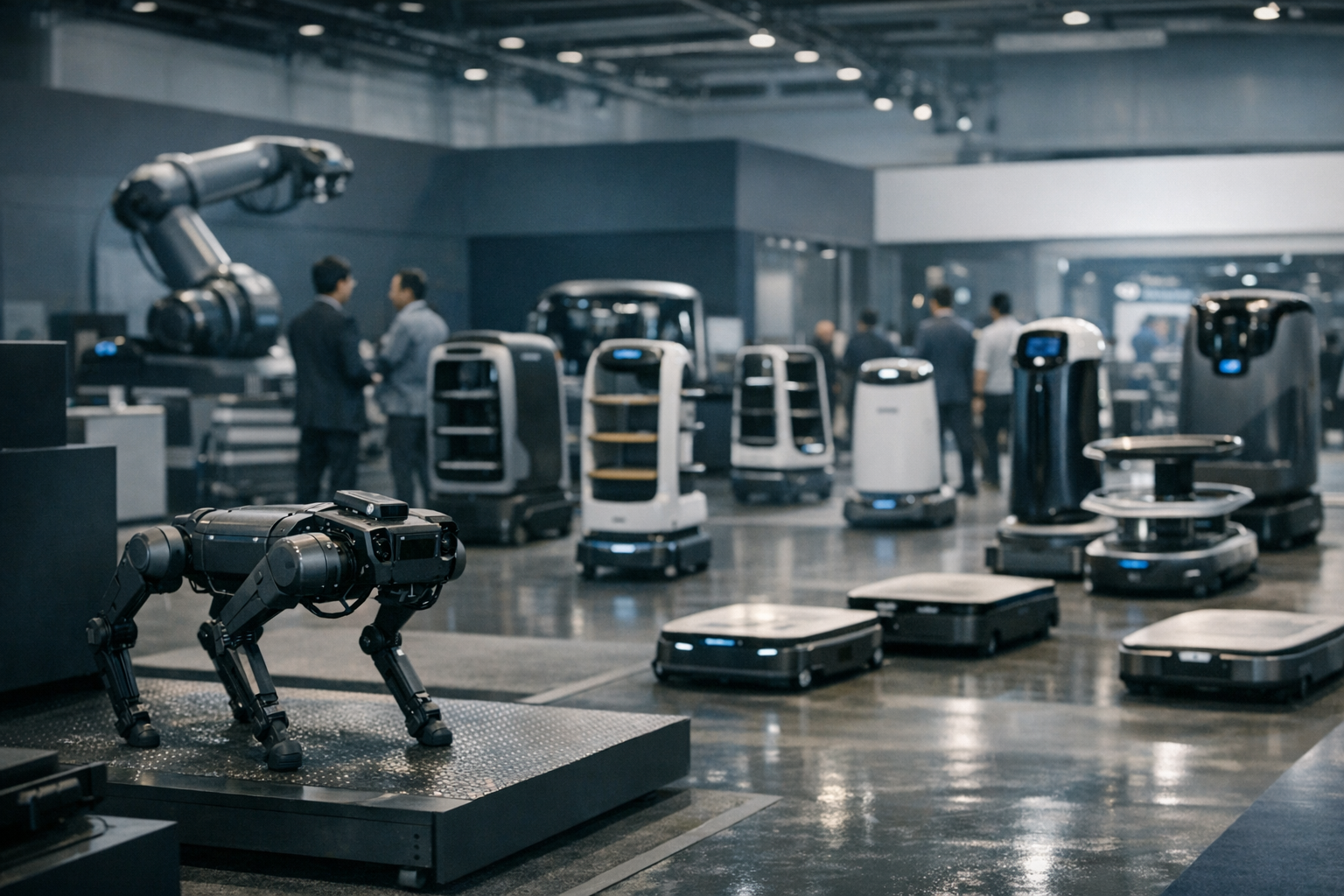
At the World Artificial Intelligence Conference 2026 in Shanghai, Pudu Robotics did not show up with a single flagship product or a speculative prototype. It brought everything — a sweeping display of its full commercial robot portfolio spanning delivery, cleaning, and humanoid applications. Then it walked off with the event’s “Most Investor-Attractive Enterprise” award, a signal that the market is paying serious attention to where the company is headed. As labor shortages push businesses to accelerate automation investments, timing for a showcase like this could not be sharper.
According to the PR Newswire report, Pudu Robotics used its WAIC floor presence to demonstrate the breadth of its product ecosystem across multiple verticals, from food and beverage service robots already deployed in restaurants and hotels to commercial cleaning machines and advanced humanoid robot platforms currently in development. The company is one of China’s most prominent commercial robotics firms, with deployments across more than 60 countries.
A Portfolio Built for Scale Across Industries
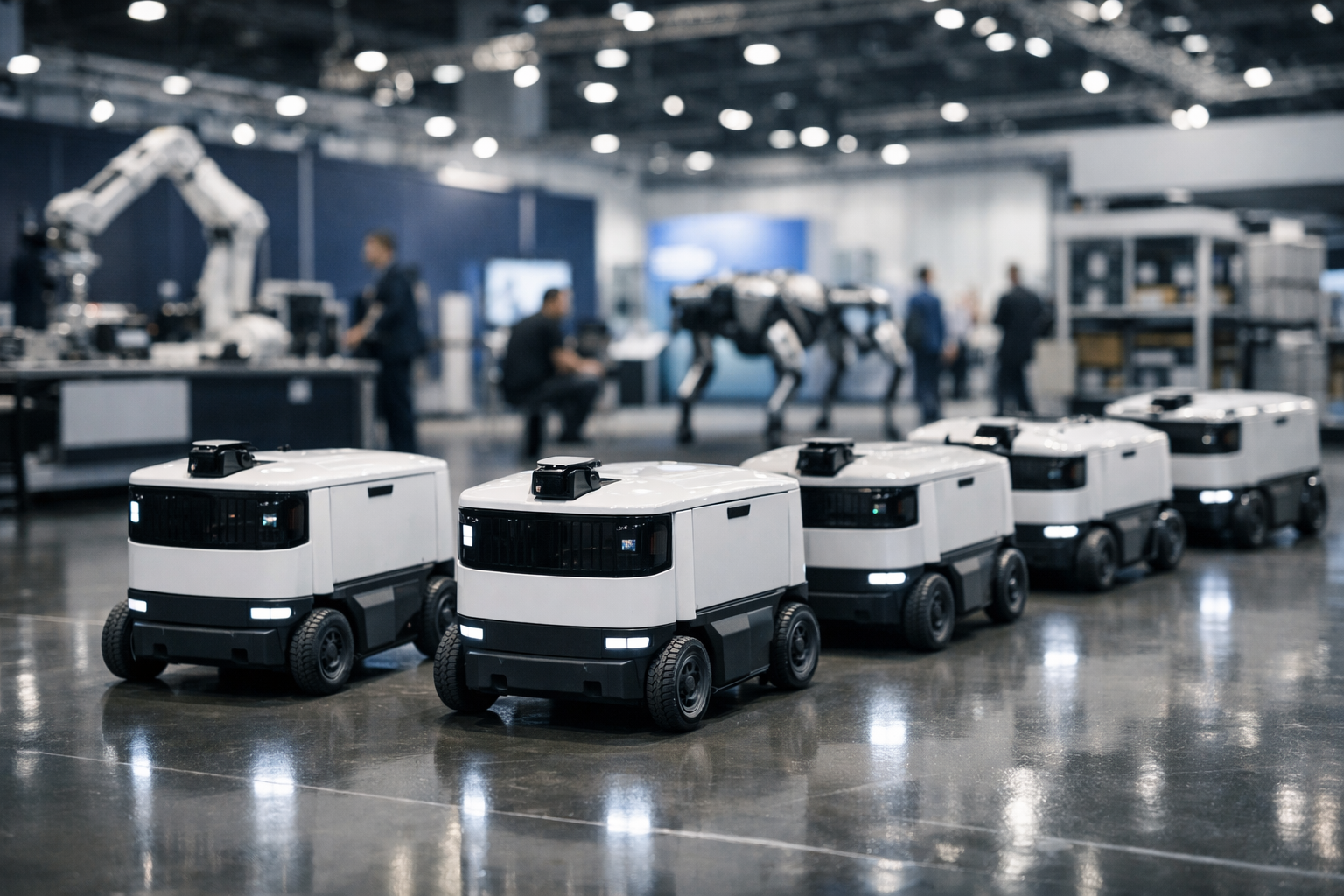
What Pudu brought to WAIC 2026 was not a collection of one-off demos. The company’s lineup is already generating real commercial traction. Its PUDU CC1 cleaning robot, its BellaBot delivery robot, and its newer humanoid development units were all present, illustrating a strategy to own multiple rungs of the service automation ladder simultaneously rather than bet on a single category.
That multi-product approach is increasingly the playbook for robotics companies looking to attract institutional capital. Investors want to see platforms, not products — and Pudu’s booth at WAIC was a physical argument that it has built exactly that. The “Most Investor-Attractive Enterprise” designation from the conference reinforces that the pitch is landing. Per the Pudu Robotics announcement, the award reflects both the company’s technological roadmap and its demonstrated commercial viability in global markets.
Why the Investor Signal Matters Right Now
The WAIC award is more than a ribbon. It comes at a moment when global capital flows into robotics are intensifying, with humanoid robots in particular drawing outsized attention from venture and strategic investors. Pudu is positioning itself not just as a maker of restaurant delivery bots — a category it helped pioneer — but as a company with the engineering depth to compete in the next wave of embodied AI. Showcasing humanoid development units alongside proven commercial hardware sends that message loudly.
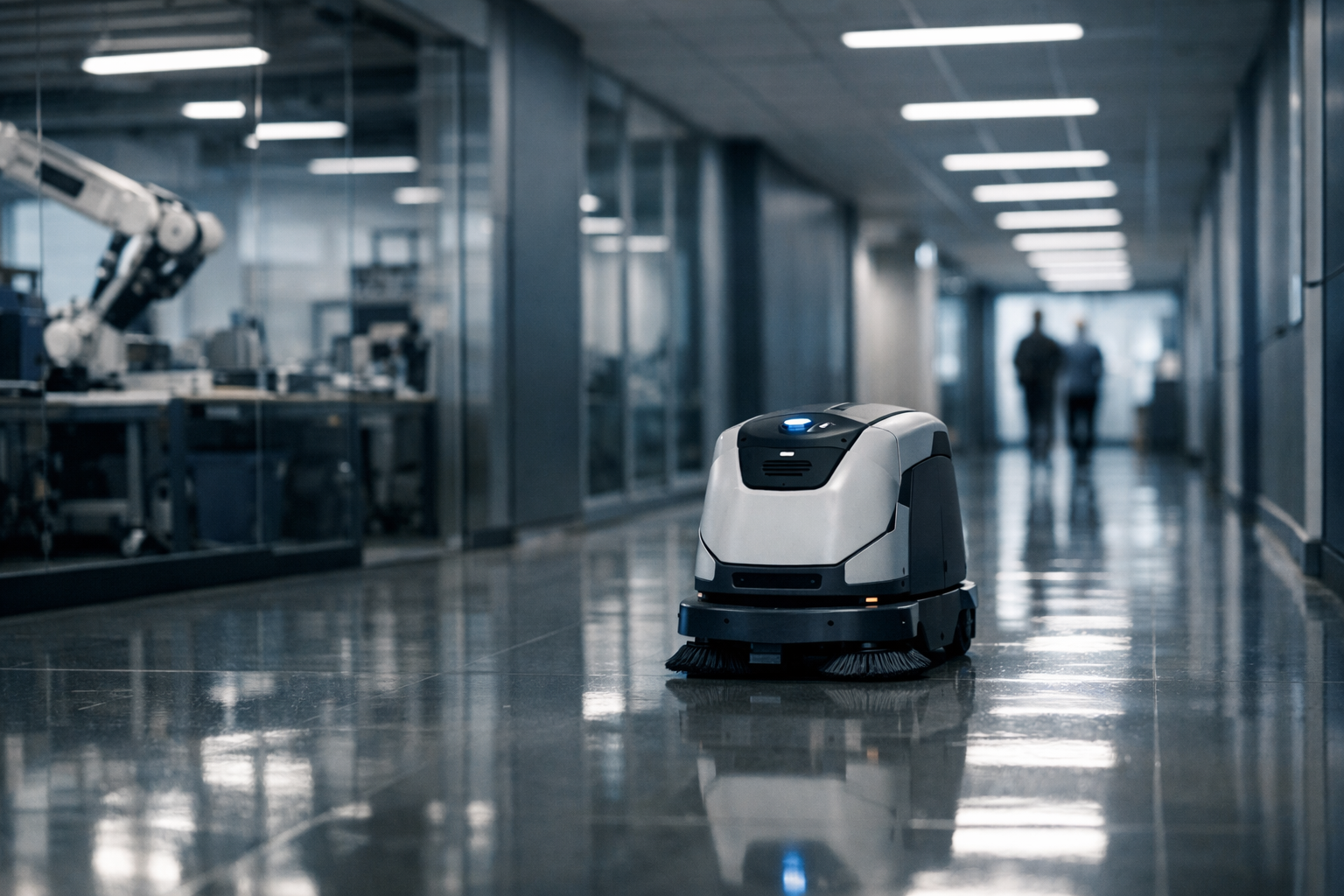
The company’s international footprint, spanning more than 60 countries with tens of thousands of deployed units, gives it a data and iteration advantage that pure-play humanoid startups cannot easily replicate. Real-world deployment at scale means Pudu’s robots are being trained on operational environments that lab-based competitors simply do not have access to. That feedback loop — hardware in the field, data feeding development, new products emerging — is exactly the kind of durable moat that makes a robotics company interesting to investors with a long time horizon. Watch for Pudu to translate the WAIC momentum into its next funding announcement. The award was not the end of the story; it was the opening line of the next pitch.
For the broader robotics industry, Pudu’s WAIC showing is a reminder that the companies most likely to define the humanoid era are not necessarily the ones generating the loudest press releases — they may be the ones that already have armies of robots working real jobs in real buildings, quietly accumulating the experience that no simulation can replace. As commercial robotics funding continues to accelerate globally, Pudu’s dual-track strategy of proven deployments plus next-generation development looks increasingly well-timed.
One thought on “Pudu Robotics Arrives at WAIC 2026 With Its Entire Fleet — and Walks Away With a Top Investor Honor”