Gold miners are having a moment, and OceanaGold is making the most of it. The company’s second-quarter 2026 results, detailed in a Q2 earnings release via PRNewswire, show a company capitalizing on elevated gold prices to drive meaningful revenue growth and sharply improved free cash flow across its portfolio of operating mines. For an industry navigating cost pressures and geopolitical uncertainty, OceanaGold’s numbers stand out as a signal of operational discipline meeting a favorable macro tailwind — a dynamic also playing out in other capital-intensive sectors, as seen in Outdoor’s Q2 results, where infrastructure-heavy businesses are finding ways to convert scale into margin.
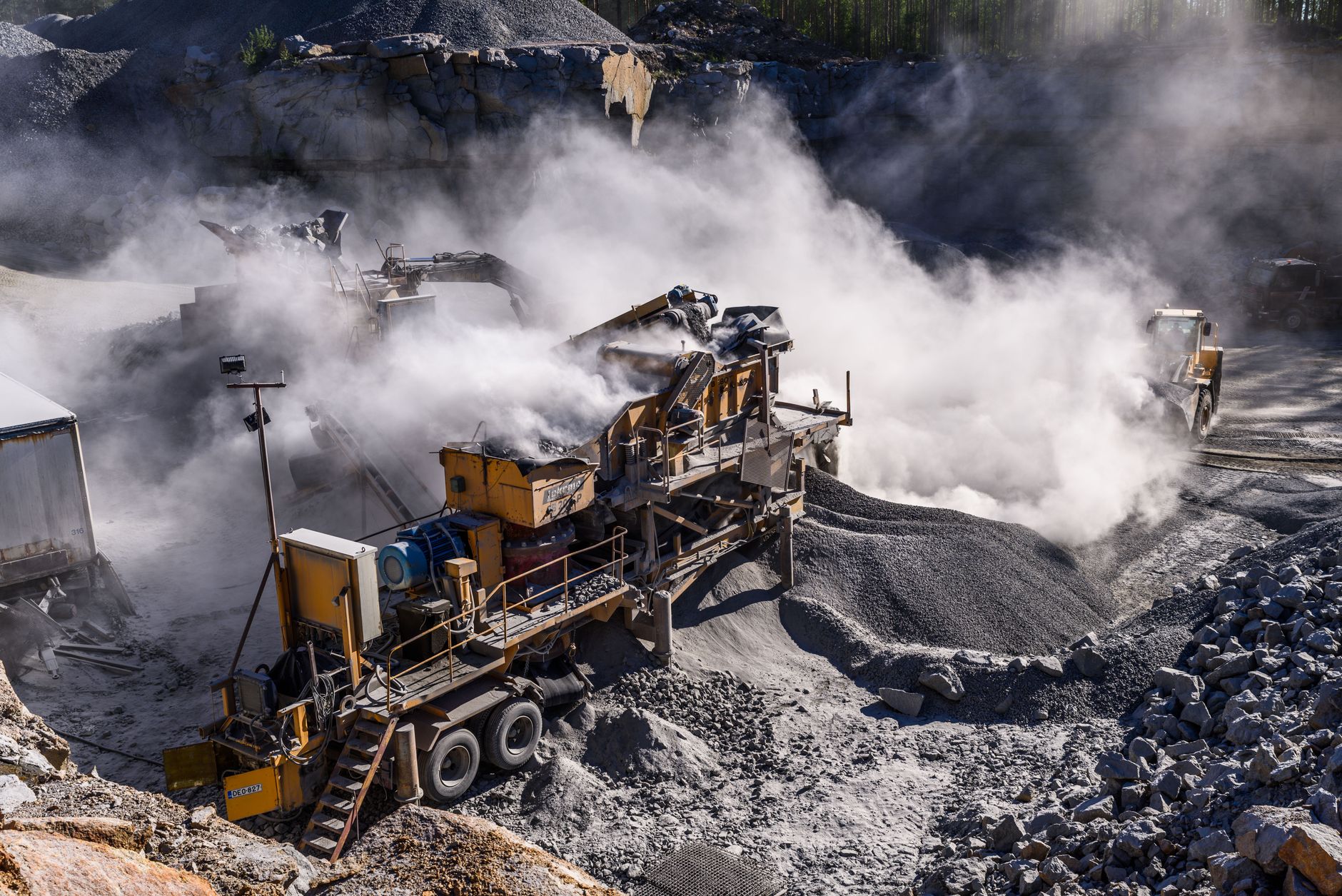
The company reported gold production and sales figures that reflected solid throughput across its key assets, including the Haile Gold Mine in South Carolina, the Macraes and Waihi operations in New Zealand, and the Didipio mine in the Philippines. Revenue climbed on the back of stronger realized gold prices, with the average gold price environment in Q2 2026 remaining well above historical norms — a structural shift that has fundamentally reset the economics for producers with low all-in sustaining costs.
Cash Flow and Margins Tell the Real Story
Beyond topline revenue, what makes OceanaGold’s quarter compelling is the free cash flow generation. Strong realized prices combined with controlled operating costs translated into cash conversion that gives the company room to maneuver — whether that means debt reduction, returning capital to shareholders, or funding growth-stage projects. The Didipio mine in particular continues to punch above its weight, delivering consistent output that contributes disproportionately to group margins given its relatively low cost profile.
All-in sustaining costs remained a key watchpoint for analysts heading into the print, and OceanaGold’s ability to hold costs in check while sustaining production rates across four geographically dispersed operations reflects a level of operational coordination that isn’t trivial to execute. The company had previewed the release timeline in an earlier conference call notice, signaling confidence in results well before the print date.

What This Quarter Signals for the Rest of 2026
OceanaGold enters the second half of 2026 with momentum. The Haile mine in the United States remains a long-term growth asset, with underground expansion work positioning it for increased output in future periods. Meanwhile, the New Zealand operations continue to generate steady, predictable cash flows that backstop group financials during any single-asset volatility. That diversification across jurisdictions and ore types is increasingly valuable in a market where regulatory risk and permitting timelines can derail single-mine companies overnight.
For investors tracking the gold sector, OceanaGold’s Q2 print reinforces a broader thesis: mid-tier producers with diversified, low-cost asset bases are best positioned to capture upside in a high-price environment without blowing out costs or balance sheets. The company’s ability to sustain production guidance and deliver cash flow growth while managing four operating mines across three countries is exactly the kind of execution track record that separates durable operators from one-cycle winners. With gold prices remaining structurally elevated and the company’s growth projects still in front of it, OceanaGold’s second half looks well-set up.