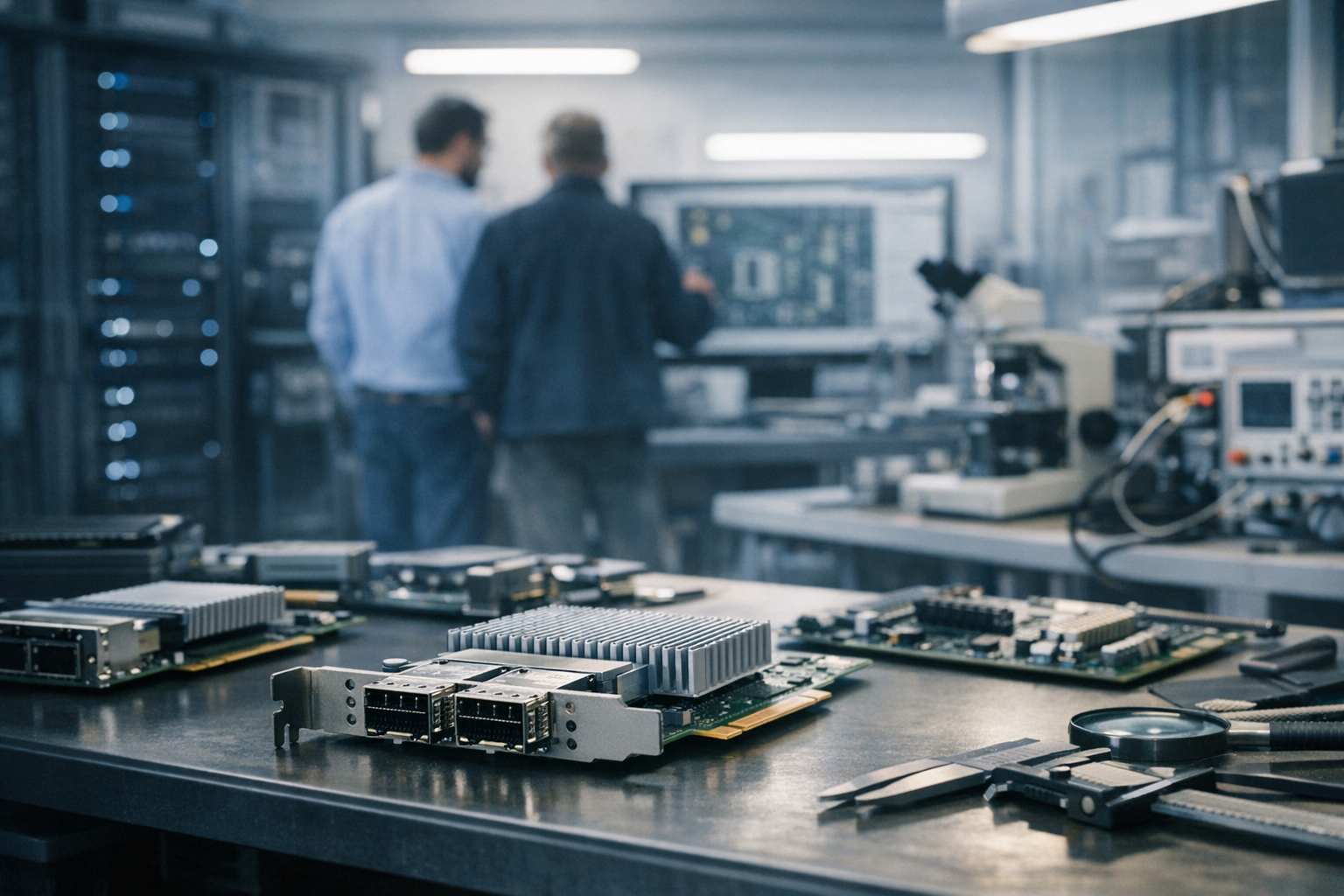
The race to move data faster inside the modern data center just handed Silicom a concrete vote of confidence. The Israel-based networking hardware specialist announced it has secured a design win for a custom high-speed server adapter, according to a PR Newswire release issued by the company. The win means a major customer has formally selected Silicom’s adapter design for integration into its server platform — a milestone that typically precedes a long-term supply commitment and recurring revenue stream.
Design wins matter in hardware the way a platform deal matters in software: they lock in a customer’s architecture for years, not quarters. For Silicom, whose business is built on customized network interface cards and smart adapters sold into cloud, telecom, and enterprise markets, landing a high-speed adapter contract signals that its engineering bets on next-generation connectivity are paying off at exactly the moment the industry is under intense pressure to move more data, faster, and more efficiently.
What the Design Win Actually Means
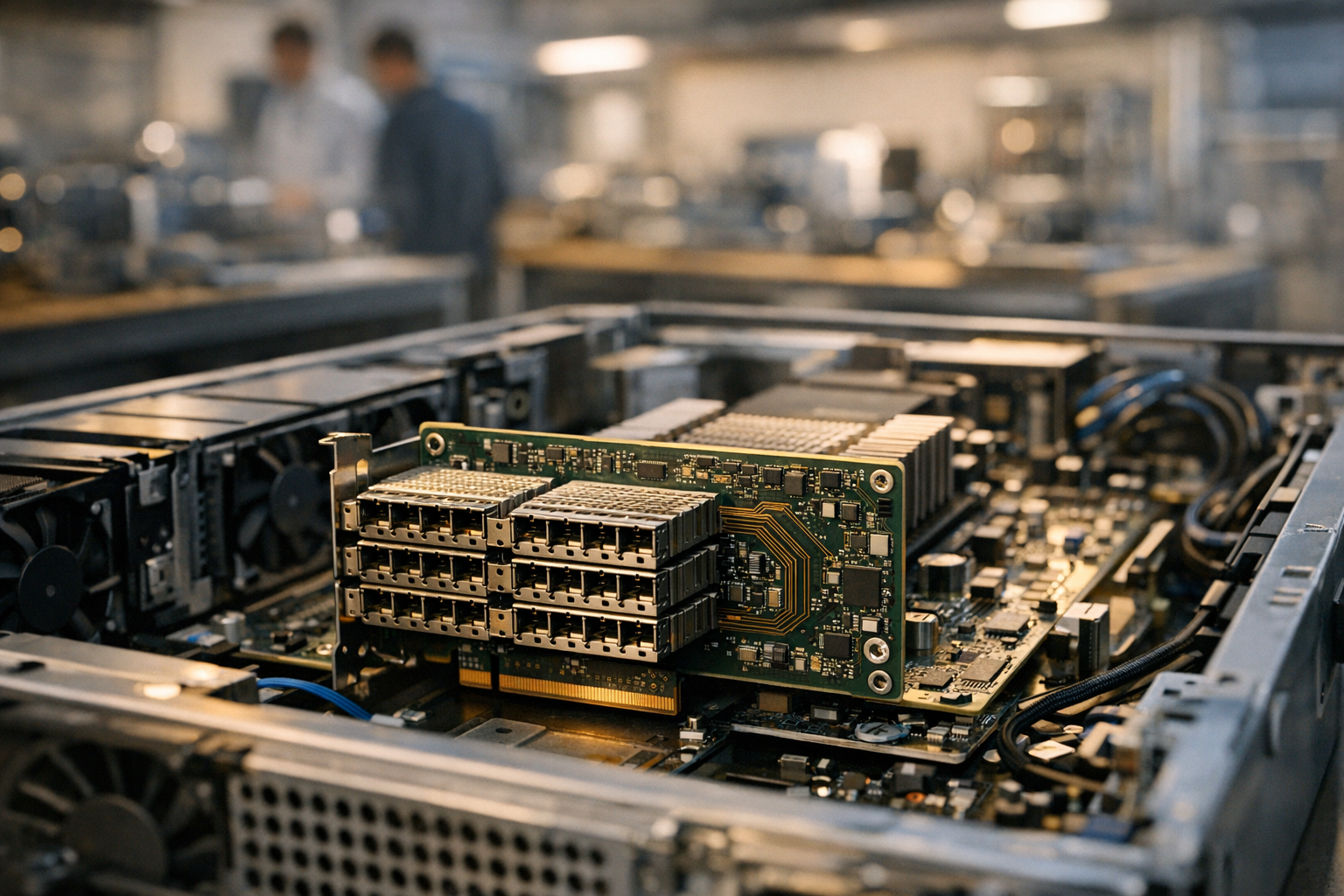
The adapter at the center of the deal is a custom-engineered, high-speed server component developed specifically to meet a customer’s unique performance and integration requirements. Silicom did not disclose the identity of the customer or the precise data-rate specifications of the adapter in its announcement, which is standard practice during the early stages of a design win — confidentiality agreements typically prevent vendors from naming customers until products are closer to production ramp.
What the company did confirm is that the win represents meaningful future revenue potential. In the hardware supply chain, a design win is an engineering selection — the customer has tested competing options and chosen Silicom’s solution to be built into their platform. That selection process is rigorous and expensive for both sides, which means reversals are rare. Silicom’s custom adapter approach, which tailors silicon, firmware, and form factor to specific workloads, is increasingly valued by hyperscale and enterprise customers who find off-the-shelf adapters too generic for their performance requirements.
Why the Timing Reflects a Broader Infrastructure Shift
The announcement lands as the data center industry undergoes one of its most significant infrastructure overhauls in a decade. The explosion of AI workloads — large model training, inference at scale, real-time data pipelines — has made network bandwidth inside the server as critical as compute. GPUs sitting idle waiting for data are expensive mistakes. High-speed server adapters that can move data with minimal latency and CPU overhead are no longer a premium add-on; they are a baseline requirement for competitive infrastructure. Israel’s broader technology sector has been riding this wave hard, with pulling $5.24 billion in the first half of 2026 alone — the fastest fundraising pace in years — reflecting global investor conviction in Israeli hardware and software engineering.

Silicom’s play is specifically about customization at scale. Rather than competing head-to-head with commodity NIC vendors on price, the company differentiates by engineering adapters that are tightly matched to a customer’s operating environment — whether that means specific offload capabilities, a particular PCIe lane configuration, or firmware tuned for a proprietary software stack. That approach creates stickiness that standard adapters cannot. As AI infrastructure spending continues to accelerate and the competitive pressure on data center operators intensifies, the demand for exactly this kind of purpose-built connectivity hardware is only likely to grow. This design win suggests Silicom is well-positioned to capture a meaningful slice of that opportunity — and that its customers agree.
For context on how AI ambitions are reshaping the technology stack all the way up to the consumer layer, Future Wire’s recent coverage of how building own AI to reduce dependence on third-party models illustrates just how far the push for custom, vertically integrated hardware and software has spread across the industry.