
SpaceX has long operated as the unquestioned leader of the commercial space race, but 2025 is testing that dominance in two uncomfortable ways simultaneously. According to Calcalist Tech, the company is contending with a surging Chinese competitor and a secondary market flooded with new share supply — a combination that is starting to raise real questions about whether its sky-high private valuation can hold. For investors watching the venture funding landscape, the dynamics here are worth paying close attention to.
SpaceX was most recently valued at around $350 billion, a figure that made it one of the most valuable private companies on the planet. But on the secondary market, where employees and early investors sell stakes, a wave of new shares coming available is creating downward pressure. When supply outruns demand — even for a prestige name — prices move. That is precisely what appears to be happening now.
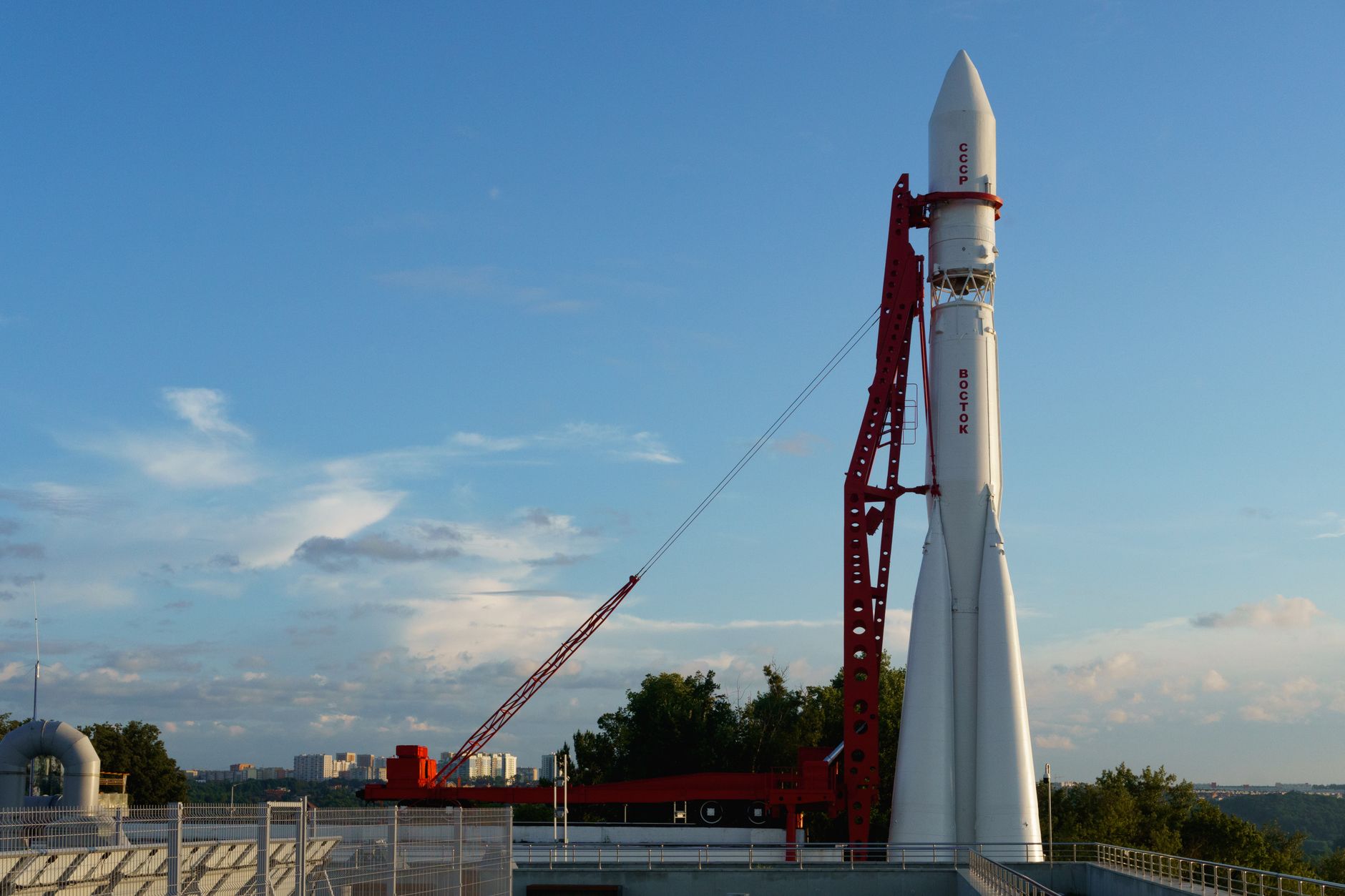
The China Factor Is No Longer Hypothetical
The competitive threat from China’s space sector has graduated from a distant concern to a present reality. Chinese launch companies, backed by heavy state investment, have been scaling rapidly — improving rocket reusability, increasing payload capacity, and slashing launch costs in ways that directly target the price advantages SpaceX built its business on. The pace of that progress is no longer easy to dismiss.
SpaceX’s Falcon 9 and Starship programs have set the global benchmark for reusable rocketry, but China’s equivalents are iterating fast. If a Chinese provider can offer comparable reliability at lower per-kilogram-to-orbit costs — even for a subset of commercial or government contracts — SpaceX starts losing pricing power in markets it has dominated for the better part of a decade. That is a structural shift, not a one-off event.
Share Flood Puts the $350 Billion Price Tag Under Scrutiny
On the financial side, the secondary share pressure is a different kind of problem. SpaceX has been one of the hottest names in private markets for years, with demand routinely outstripping the available float. But as more employees and early backers look to liquidate, and as tender offers bring more shares to market, the supply-demand equation is shifting. Secondary market platforms have reported growing availability of SpaceX equity at discounts to the headline valuation — a signal that even enthusiastic buyers are negotiating harder than they once were.

None of this means SpaceX is in crisis. The company’s Starlink satellite internet business continues to generate real, recurring revenue — a rare thing among space ventures — and its launch cadence remains unmatched globally. But the narrative of an unstoppable, unchallenged juggernaut is getting a stress test. Investors who bought in at peak secondary-market prices based on that narrative are the ones most exposed if the valuation recalibrates.
The broader takeaway is that even the most dominant players in capital-intensive industries eventually face compression from two sides at once: competition catching up from below, and financial gravity pulling from above. SpaceX built a decade-long moat. The question now is how wide that moat still is — and whether $350 billion properly prices the risk of finding out. The surveillance sensing market, which Starlink increasingly intersects with through military and dual-use contracts, adds another geopolitical dimension to how those risks are weighed.