Nuclear energy used to be a story about kilowatt-hours and cooling towers. Now it’s a story about who controls the future of global power — literally and figuratively. As demand for always-on, carbon-light electricity explodes alongside AI data centers and industrial electrification, nuclear has transformed from a politically radioactive liability into the most strategically coveted energy asset on the planet. And the nations and corporations racing to own that asset are doing so with something beyond profit in mind. We’ve already seen how US solar growth reshaped domestic energy priorities — nuclear is now triggering the same scramble at the international level.
According to Calcalist Tech’s analysis, the competition for nuclear dominance has shifted from a purely commercial contest into a full-scale geopolitical struggle, with the United States, Russia, China, and a handful of emerging players all maneuvering to lock in relationships with nations building or expanding reactor fleets.
Russia and China Already Have a Head Start
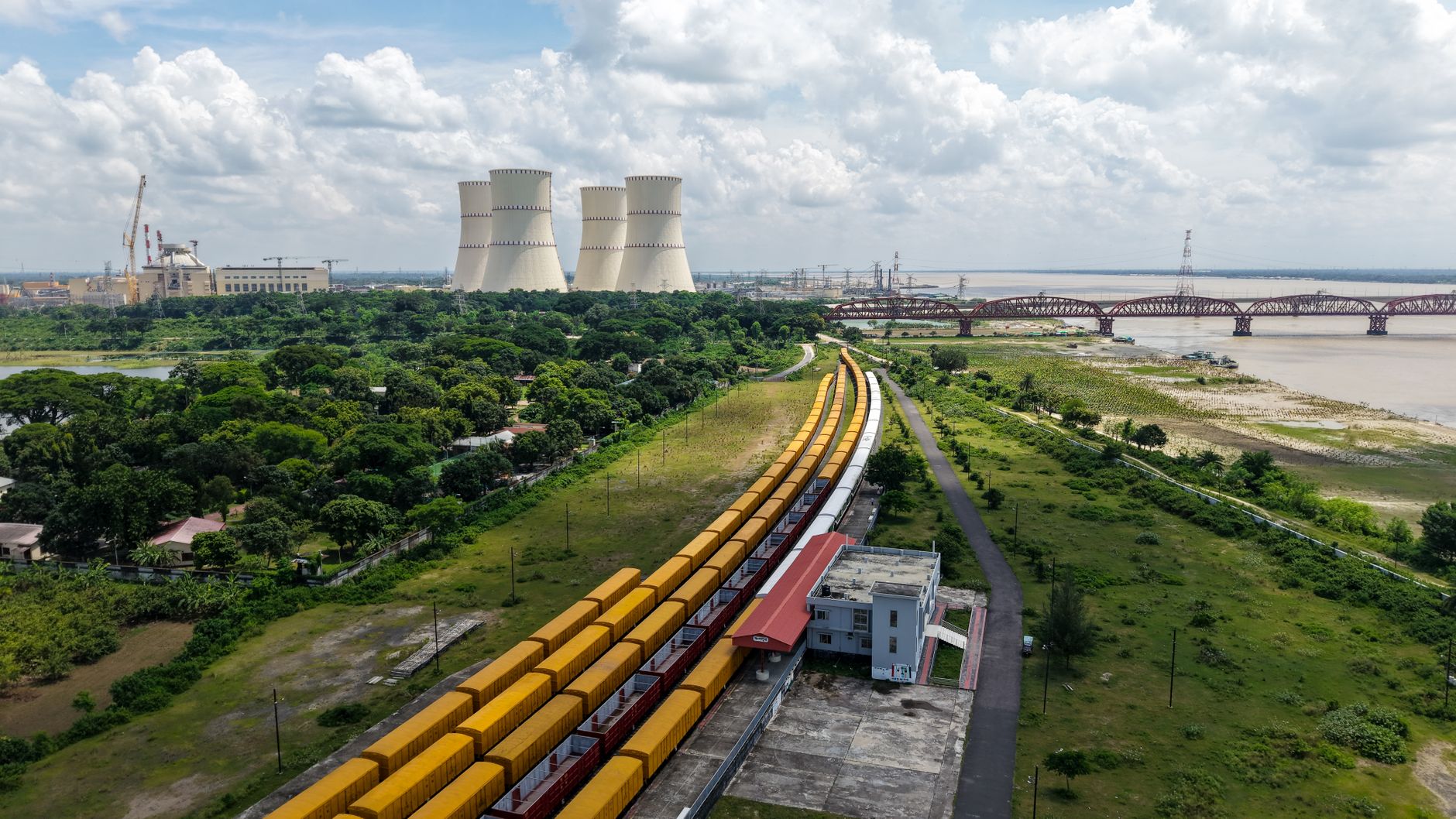
Russia’s state nuclear giant Rosatom has spent the last two decades embedding itself in the energy infrastructure of dozens of countries. The playbook is deliberate: offer financing, build the reactor, supply the fuel, train the operators, and maintain the relationship for the 60-year operational life of the plant. That’s not a commercial deal — it’s a dependency architecture. Rosatom currently has nuclear projects underway in more than 30 countries, giving Moscow a thread of influence running through economies from Egypt to Bangladesh to Turkey.
China has executed a nearly identical strategy through its state-owned nuclear enterprises, aggressively financing reactor construction across Africa, Southeast Asia, and Central Asia. Beijing’s pitch combines below-market financing with the promise of technology transfer — an offer that’s hard for developing nations with large energy deficits to refuse. The result is a growing constellation of countries whose core energy infrastructure will run on Chinese technology and require Chinese fuel and expertise for generations.
Washington Is Playing Catch-Up — but the Rules Have Changed
The United States largely ceded export market ground over the past two decades, constrained by regulatory friction, higher costs, and a domestic nuclear industry that struggled to complete projects on time or on budget. The Vogtle expansion in Georgia — the first new U.S. nuclear units in roughly 30 years — came in years late and billions over budget, doing little to inspire foreign buyer confidence.
But Washington is now pushing hard to reverse that trajectory. The Biden and Trump administrations both backed efforts to streamline nuclear export rules and expand financing tools through the Export-Import Bank and the U.S. International Development Finance Corporation. The goal is to give American and allied nuclear vendors — including companies developing small modular reactors — a credible path to compete in markets where Rosatom and Chinese firms currently have near-total lock-in. The Chinese tech expansion pattern playing out in semiconductors and batteries is now repeating itself in reactor fuel and nuclear services.
The deeper issue, as Calcalist Tech frames it, is that nuclear agreements aren’t just energy contracts — they’re long-term strategic relationships baked into national infrastructure. Countries that build with Russian or Chinese reactors become captive customers for fuel, components, and technical support. That dependency translates directly into diplomatic leverage. Energy security and national security, in this context, are the same conversation. Whoever wins the reactor order wins something far more durable than a construction contract.