A growing push to secure supplies of rare earth elements is beginning to reshape how venture capital and industrial investors think about the next phase of deeptech, as concerns over geopolitics and supply-chain fragility meet a rapid rise in demand from electrification, defense and advanced computing. That shift is the focus of “The Rare Earth Renaissance: 2026 DeepTech Allocation,” published by VC Cafe, which argues that rare earths are moving from a niche commodities concern to a central strategic variable in technology investing.
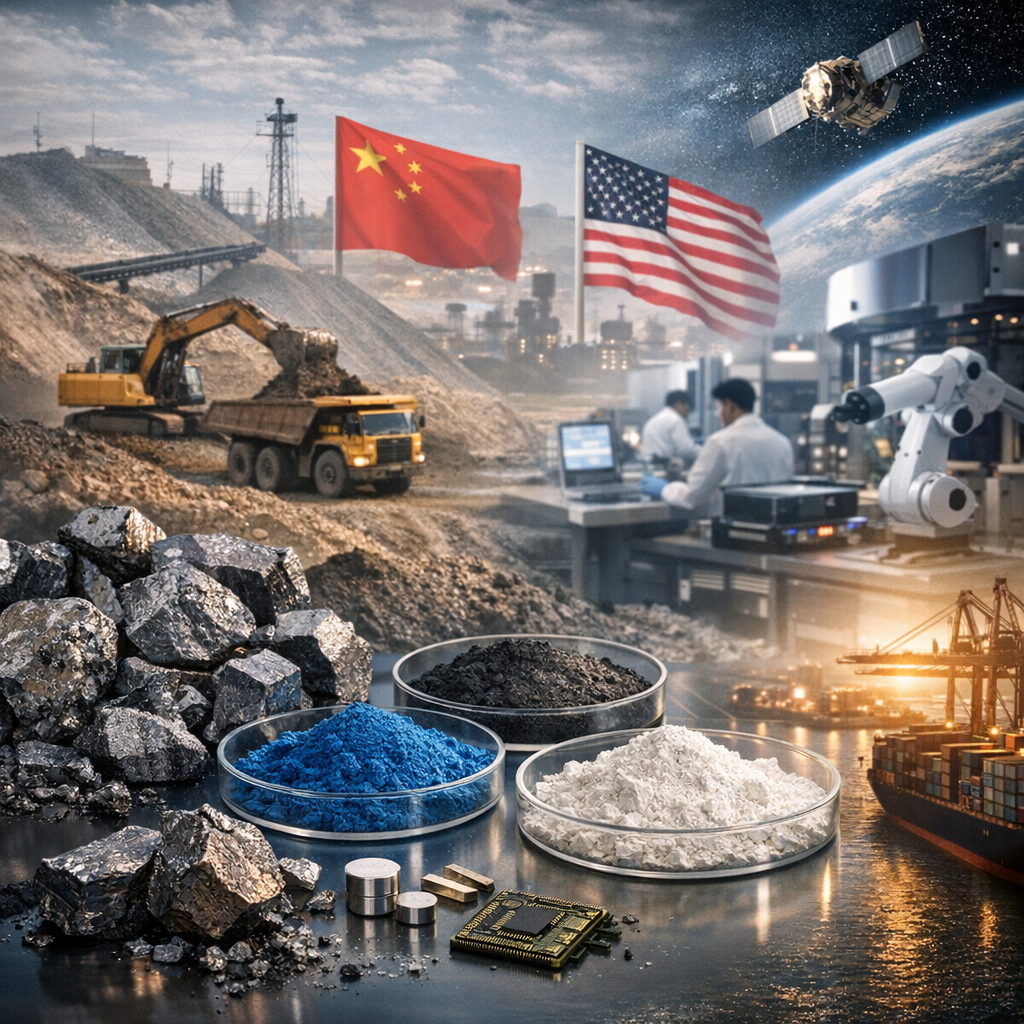
The article frames rare earth elements less as a discrete mining story than as an industrial systems challenge spanning extraction, processing, recycling and materials engineering. Historically, investors have often treated rare earth exposure as a matter for public markets and long-cycle resource funds. VC Cafe contends that the next investment wave will be defined by startups and scale-ups that can reduce the technical and political bottlenecks embedded in today’s supply chains, particularly the concentration of processing capacity and the limited number of qualified, environmentally compliant facilities outside dominant suppliers.
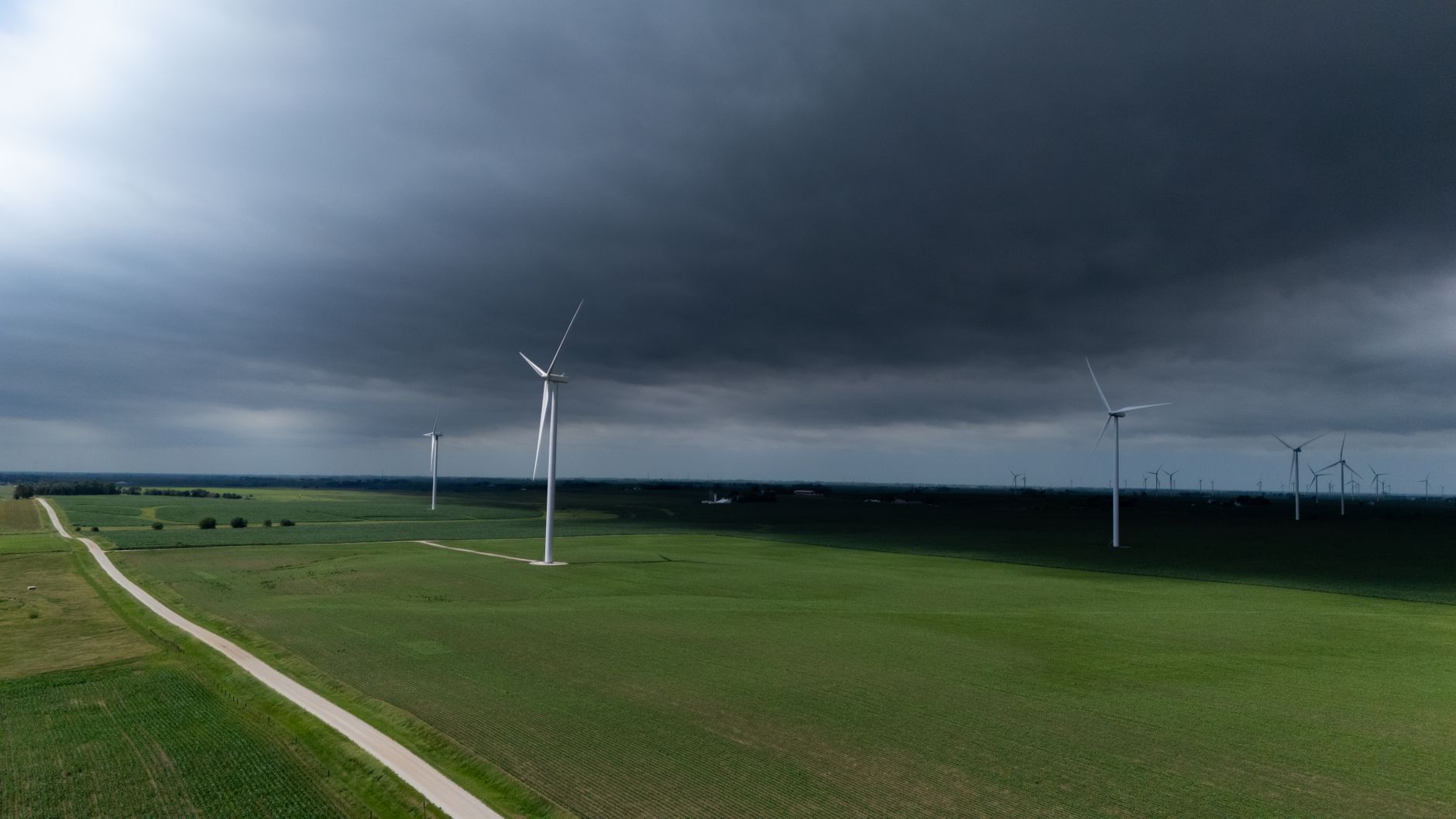
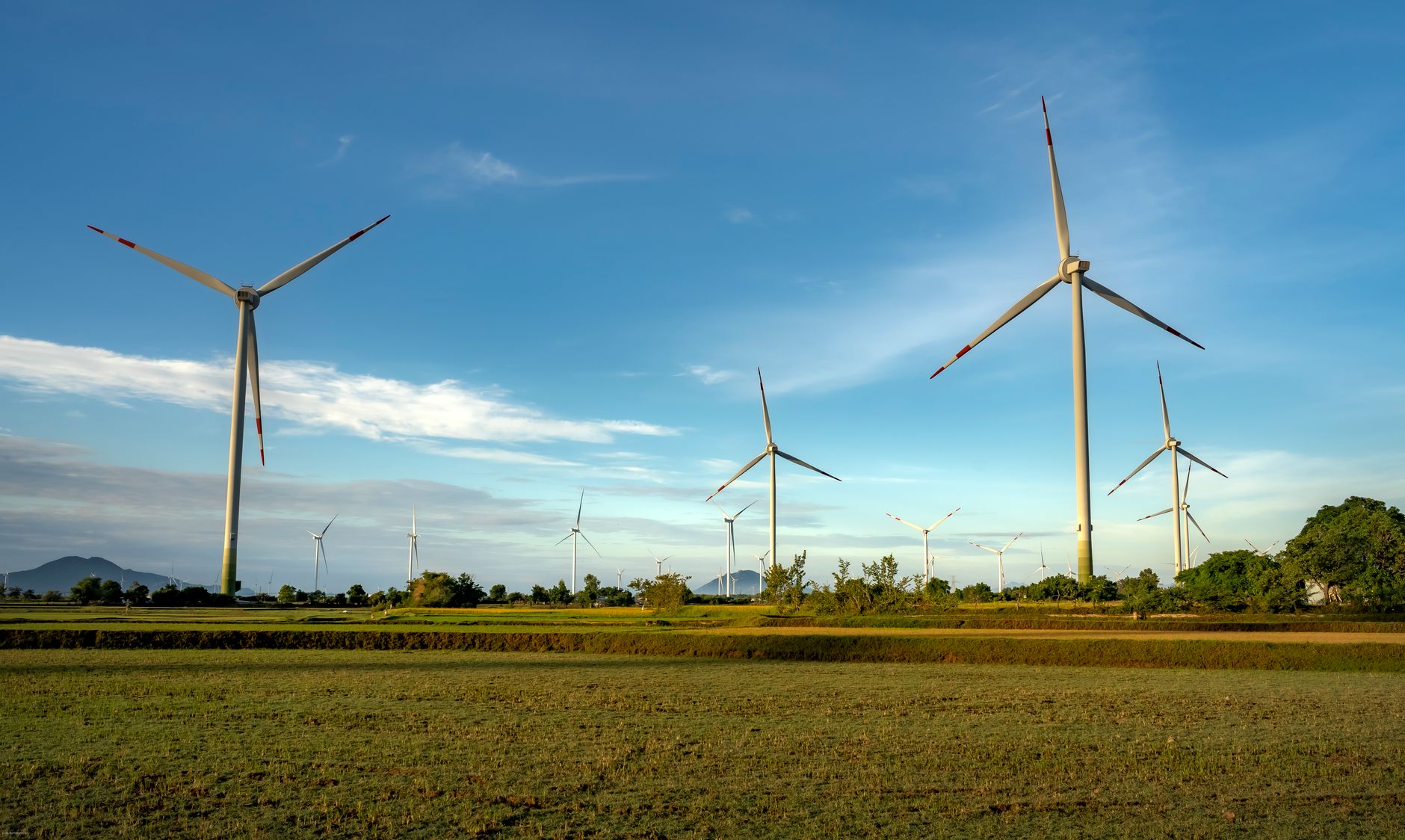
That view is gaining traction well beyond venture circles. Governments in North America, Europe and parts of Asia have rolled out industrial policies aimed at diversifying supply, while defense planners have increasingly highlighted vulnerabilities in magnets, sensors and other components that depend on rare earth inputs. Meanwhile, demand pressure is intensifying. Permanent magnets used in electric motors and wind turbines, catalysts and polishing powders used in manufacturing, and specialty alloys used in aerospace and electronics all lean on rare earths, making them a quiet but pervasive ingredient in modern industrial capacity.
What is changing, investors say, is the belief that technology can meaningfully alter the economics of a sector long dominated by scale and regulatory complexity. The VC Cafe piece emphasizes innovation in separation chemistry and refining techniques, suggesting that breakthroughs could lower costs, shrink environmental footprints and open pathways for smaller, distributed processing plants. For venture investors, the appeal is not simply replacement supply, but intellectual property and process know-how that can be licensed, replicated and embedded into industrial partnerships.
The most immediate commercial opportunity may be in midstream and downstream capabilities rather than in greenfield mining. Mining projects remain capital-intensive and time-consuming, with permitting, community engagement and environmental controls often stretching timelines. By contrast, improved processing, recovery and recycling can sometimes ride existing industrial footprints and offer clearer unit economics, especially where waste streams already contain economically recoverable concentrations of critical minerals.
Recycling is a particularly prominent theme. While rare earth recycling has long been technically possible, it has struggled with collection logistics, inconsistent feedstock quality and the difficulty of separating complex mixtures at scale. New approaches, including advanced hydrometallurgical processes and novel solvents or sorbents designed for selectivity, are being tested as a way to turn end-of-life magnets, electronics and industrial scrap into dependable domestic supply. If those efforts can move from pilot to commercial scale, they could reduce exposure to geopolitical churn while also addressing environmental concerns linked to legacy mining and processing.
The article also highlights how the investment case for rare earth-related deeptech increasingly depends on integration with customers. Automakers, wind turbine manufacturers, defense primes and semiconductor suppliers are no longer passive buyers; many are seeking joint development agreements, offtake arrangements and co-investment structures to lock in supply and qualify new materials. That dynamic can de-risk early deployment but also raises the bar for startups, which must prove reliability, quality consistency and compliance in addition to scientific novelty.
For venture capital, the sector’s challenges are as notable as its promise. Rare earth projects frequently require larger checks, longer timelines and deeper technical diligence than software or consumer tech. They also face commodity price volatility and policy uncertainty. VC Cafe’s “The Rare Earth Renaissance: 2026 DeepTech Allocation” argues that these constraints are pushing investors toward hybrid models: partnerships with strategic corporate backers, project finance elements, and syndicates that blend traditional VC with infrastructure-style capital.
A parallel shift is occurring in how policymakers and investors talk about “critical minerals.” Instead of treating rare earths as a single choke point, the emerging consensus sees multiple chokepoints: separation capacity, magnet manufacturing, qualified refining, and the specialized equipment and expertise needed to run these operations safely. That broader view creates more entry points for innovation, from instrumentation and automation for chemical plants to improved methods for waste treatment and tailings management.
The result is a sector where technological breakthroughs and industrial pragmatism must move in lockstep. The rare earths story, as VC Cafe presents it, is less about a sudden discovery of new deposits than about building resilient, diversified capability across the value chain. For investors, it is an argument that the next generation of deeptech winners may be defined not only by algorithms and chips, but by the materials and industrial processes that make advanced hardware possible in the first place.